
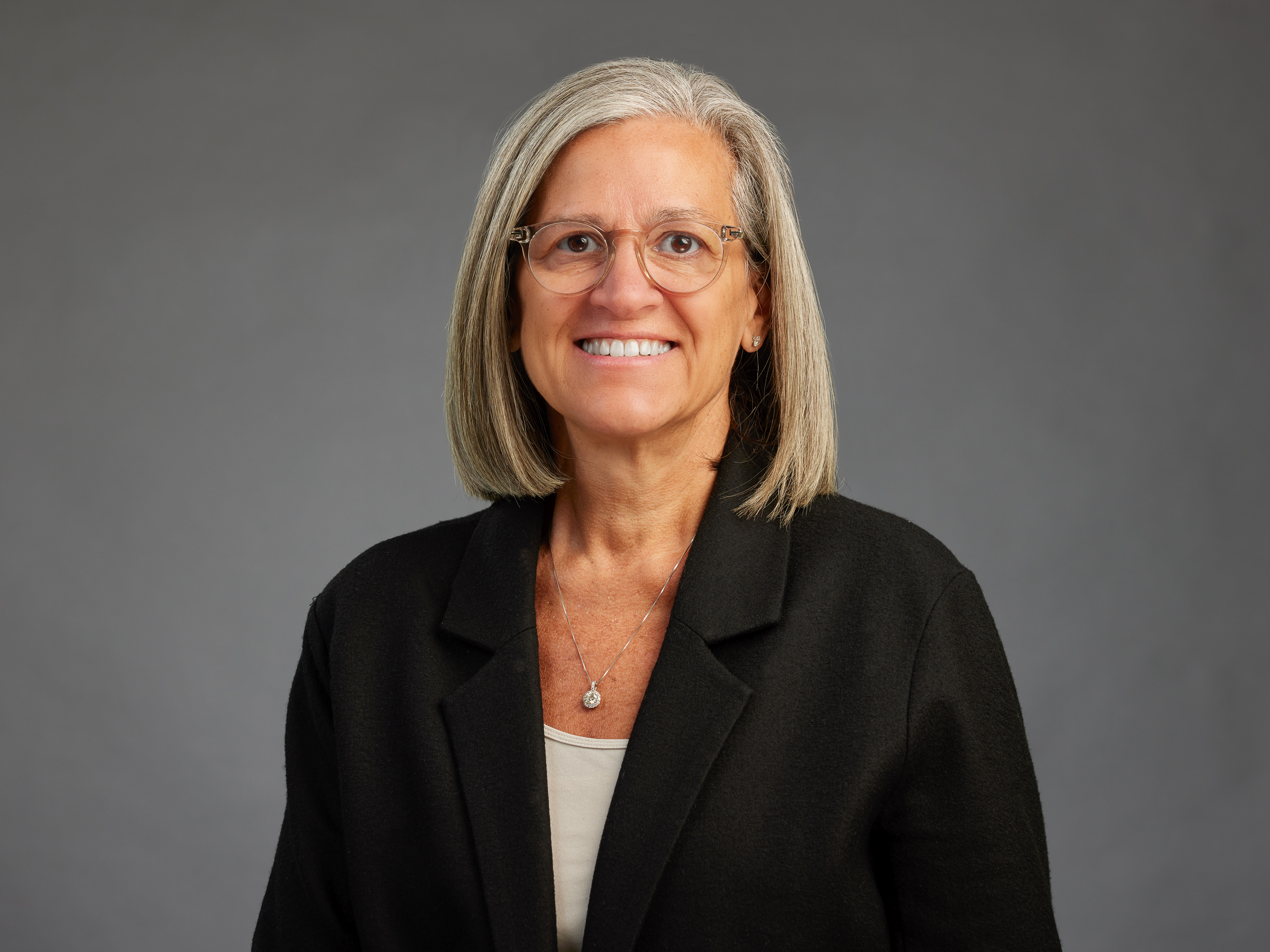
The Power and Promise of Academic Nursing
Nursing has always been a profession shaped by change. Today, the pace and complexity of that change call us to think differently about how we educate nurses, advance knowledge and serve our communities.
We are preparing nurses to care for increasingly complex populations, developing leaders who can strengthen health systems, produce research that addresses pressing questions and advance health equity. At the same time, higher education itself is evolving, creating both challenges and new possibilities. For Rush University College of Nursing, this is a moment to reaffirm what academic nursing can and must do.
Our foundation is strong. More than five decades ago, founding dean Luther Christman envisioned a nursing school where education was inseparable from practice. That vision continues to shape Rush today. Our faculty teach and practice, investigate and innovate, mentor and lead. Our students learn in an environment where knowledge is not simply acquired, but questioned, expanded and applied. That connection gives academic nursing its distinctive power.
Preparing Nurses and Leaders
Our responsibility begins with education but extends far beyond graduation. We prepare nurses not only to enter the profession, but to grow with it and help shape its future.
We want our graduates to be highly skilled clinicians, thoughtful problem solvers and courageous leaders. At Rush, a question raised in the classroom can become a research project. An experience in practice can inspire a new approach to care. An idea from a student can become an innovation that reaches patients and communities.
We also prepare the educators, researchers, advanced practice nurses and leaders who will strengthen nursing for generations to come. That requires investment in mentorship, faculty development, scholarship and opportunity. It also requires ensuring that opportunity is within reach. Financial support can open doors for talented students and help build a nursing workforce that reflects and serves the diversity of our communities.
Discovery, Practice and Service
Some of the most important questions in healthcare emerge from the experiences of patients, families, clinicians and communities. Academic nursing creates the environment to examine those questions rigorously and translate what we learn into meaningful change. Our faculty and students study how to improve outcomes, strengthen systems, promote health and address inequities. Nursing scholarship is distinctive because it remains closely connected to both science and human experience. Our commitment is not simply to produce knowledge but to make knowledge matter
That commitment is reflected in faculty practice and community partnership. Clinical experiences inform teaching and research. Research creates new possibilities for practice. Education prepares people to act on those possibilities. Communities help ensure that our work remains grounded in the needs and realities of the people we serve. This is the academic practice relationship at its best: a continuous exchange of knowledge, experience and possibility.
Investing in the Future
None of this happens alone. The strength of academic nursing is built through faculty who mentor, staff who support students and scholars, alumni who open doors, clinical and community partners who share our mission, and supporters who believe in the transformative power of nursing. Their investment creates a ripple effect. An opportunity for a student can become a better outcome for a patient. Faculty research can change practice. A graduate can become a mentor, educator or leader for those who follow. The impact continues outward, often in ways we cannot yet see.
That is why our work requires both ambition and stewardship. We are not simply preparing for the next year or even the next generation. We are helping shape the profession nursing will become.
The Work Ahead
We enter this next chapter with our eyes open. The financing of graduate education is changing. The research landscape and nursing workforce are changing. Technology, including artificial intelligence, is transforming how we teach, practice and conduct research. We cannot predict every change ahead. But we can choose how we respond.
We will respond with the qualities that have distinguished Rush nursing across generations: courage, curiosity, evidence, compassion and a willingness to challenge what no longer serves our patients, our profession or our students. We will continue to innovate in education, strengthen the pipeline of nurses and leaders, invest in scholarship and discovery, deepen partnerships across academic, clinical and community settings and remain steadfast in our commitment to health equity.
Taking on the role of interim dean, I do so with enormous confidence in this community and deep gratitude for the privilege of serving it. I am especially mindful that my own nursing journey began at Rush. To return to this institution in a leadership role is deeply personal and a powerful reminder of the enduring impact of being a Rush nurse.
Our future will require us to be bold. It will require us to protect what matters, rethink what must change and imagine what is possible. Most of all, it will require us to remember why academic nursing matters.
We educate the people who will care for our communities.
We generate the knowledge that will improve that care.
We practice where health and inequity are experienced every day.
And we serve by turning what we know into action.
That is the power and promise of Rush nursing. And that is the work I look forward to continuing, together.
Julie Anne Hoff, PhD, RN, FAAN
Provost and Senior Vice President
Acting Dean, College of Nursing
Robert C. & Naomi T. Borwell Presidential Professorship
Rush University
Dean's Office Leadership
Julie Anne Hoff, PhD, RN, FAAN, Interim Dean
Frank D. Hicks, PhD, RN, CNE, Associate Dean for Academic Programs and Affairs
Wrenetha Julion, PhD, MPH, RN, FAAN, Associate Dean for Equity and Inclusion
Barbara Swanson, PhD, RN, FAAN, ACRN, Associate Dean of Research
Sarah Livesay, DNP, APRN, FNCS, FAAN, Associate Dean, Practice Scholarship
Anthony Mask, Assistant Dean, Strategic Operations
Angela Moss, PhD, MSN, APN-BC, RN, Assistant Dean of Faculty Practice
Lynette Richter, DNP, RN, CCRN, CNL, Assistant Dean, Generalist Education
Mary Zonsius, PhD, RN, Assistant Dean of Evaluation
Monique Reed, PhD, MS, RN, FAAN, Assistant Dean, Nursing Science
Fred Brown, DNP, RN, CENP, Chairperson, Department of Adult Health and Gerontological Nursing
Lynn Mohr, PhD, APRN, PCNS-BC, Chairperson, Department of Women, Children and Family Nursing
Michelle K. Heyland, DNP, APRN-FPA, PMHNP-BC, Chairperson, Department of Community, Systems and Mental Health
Theresa Smith, PhD, Director of Finance