The Latest News
Rush Medical College, Events
For graduating students of Rush Medical College, four years of dedication culminates in an annual celebration—this year with a virtual twist

Careers, Rush Medical College, College of Health Sciences, College of Nursing
Choosing a medical specialty is a major decision for your medical career. Visit our article where we discuss tips on finding the right medical specialty for you.
Awards & Recognitions, College of Nursing
Graduate programs across Rush University are ranked among the nation’s best in U.S. News & World Report’s 2021 Best Graduate Schools edition released March 17, with eight nursing programs and one health sciences programs ranked in the top 10.

Patient Care, Innovation
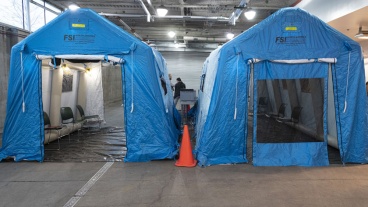
Rush University Medical Center is officially operating in surge mode, as preparations for a potential sharp increase in patients with COVID-19 move into a new phase.
Patient Care
Rush University Medical Center admitted its first confirmed COVID-19 patient on March 5, 2020.

Patient Care
Rush now offers on-demand video visits for people who are concerned they might be infected with the novel 2019 coronavirus.

Events
Critical Care Outreach Team at Rush holds second annual symposium aimed at providing education and collaboration for nurses throughout the Chicago area and beyond.
Rush Medical College, Awards & Recognitions
Dr. Badrinath R. Konety has been appointed the next dean of Rush Medical College and the senior vice president for clinical affairs of Rush University System for Health, effective July 1.

Student Stories, Rush Medical College
Tim Lee, a third-year Rush Medical College student, made the transition from high school art teacher to prospective trauma surgeon after witnessing the devastating results of gun violence.

Community, Patient Care
The Metropolitan Chicago Breast Cancer Task Force’s new name, Equal Hope, reflects the expansion of the non-profit’s scope to eliminate cervical cancer deaths in Chicago.