
The Communication and Effort Lab (CandE Lab) aims to better understand and address factors that impact successful communication for children and adults with hearing loss.
Our goals are to:
Meet our lab members
Principal Investigator:
Image
| Image
| Image
| Image
| |
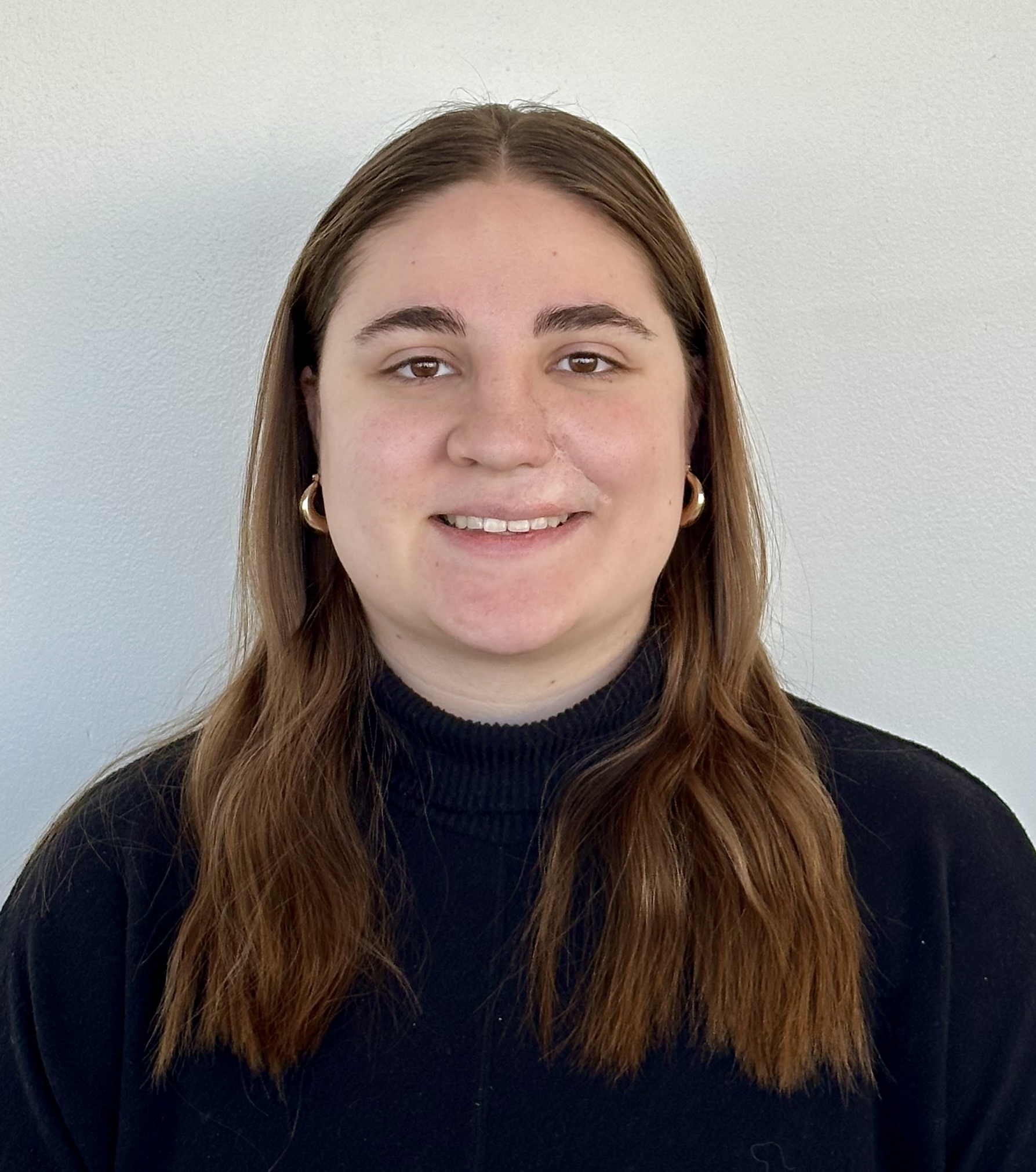
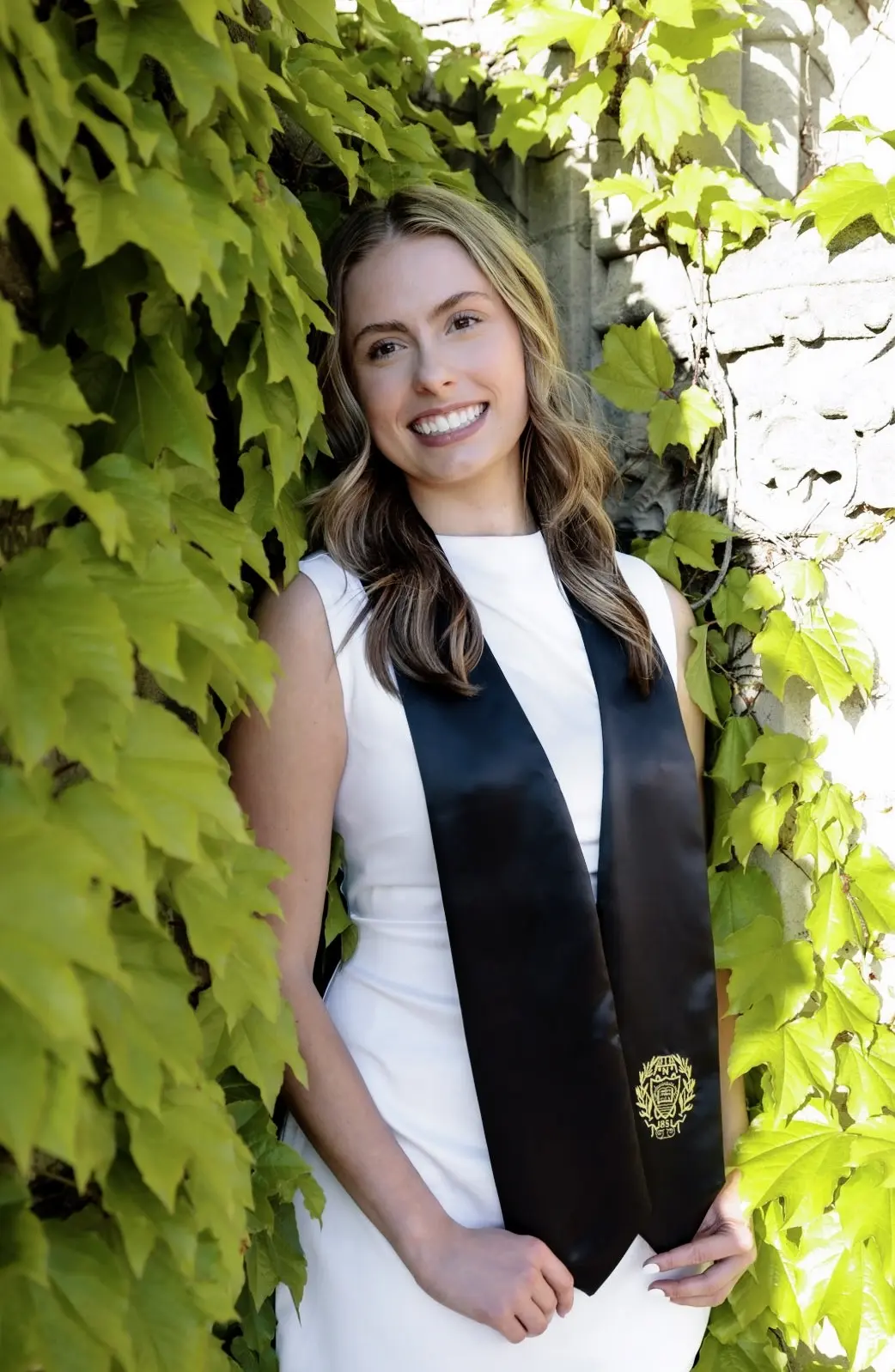
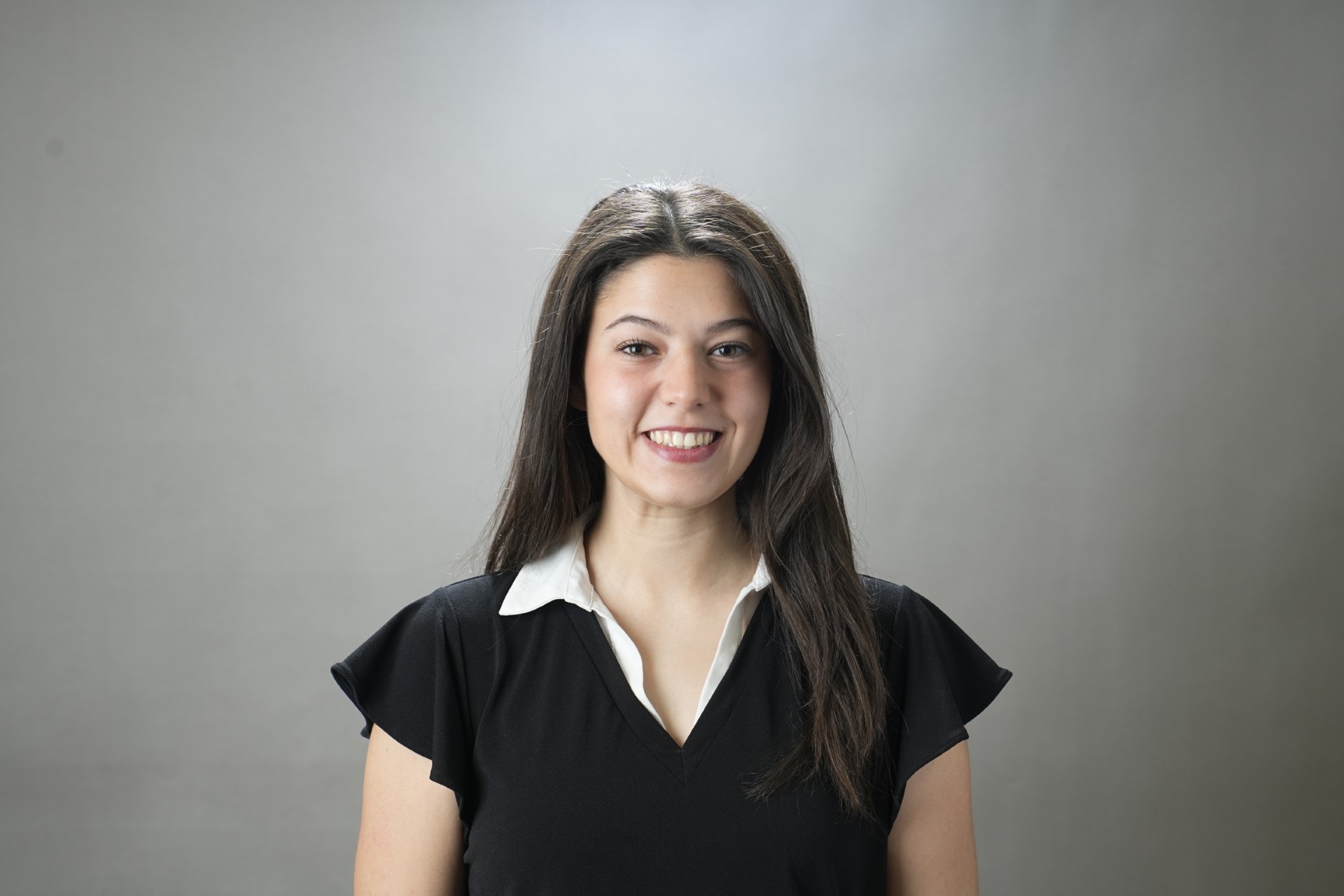
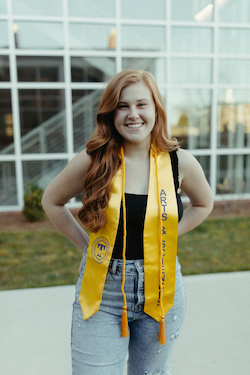
| Emma is a third-year Audiology student who is interested in Cochlear Implants and Bilingual care. She graduated from Purdue University in 2023 with a B.A. in Spanish, and a B.S. in Speech Language Hearing Sciences. In her free time, Emma enjoys crafting, gaming, traveling, and spending time with family. | Eva is a second-year Audiology student who is interested in cochlear implantation and ototoxicity. She graduated from Northwestern University in 2024 with a B.S. in CSD, Data Science, and Psychology. In her free time, Eva enjoys reading and exploring new restaurants in Chicago. | Josie is a first-year Audiology student. She graduated with a B.S. in Speech and Hearing Science from the University of Illinois in Urbana Champaign. Her research experiences include binaural hearing in cochlear implant users and speech and language development in children with hearing loss. In her free time, Josie enjoys cooking, exploring Chicago, and reading. | McCall is a second-year Audiology student. She graduated from Tennessee Tech with a B.S. in Biochemistry and Microbiology. She also received a Master's in Forensic Toxicology and Analytical Genetics from the University of Kentucky. She enjoys reading, playing golf, and spending time with her cat - Cleopatra |
Current projects
Cochlear Implants
For some children and adults with severe-profound hearing loss, cochlear implants can be used to improve hearing and communication abilities. While these devices can provide great benefit, sound quality can still impact communication. We study how listeners with a cochlear implant process and understand speech.
Listening Effort
Listening with a hearing loss can be a tiring and effortful experience. The effort needed to listen can impact people's motivations to engage in social communication, especially if they have hearing loss. We study listening effort in 2 ways:
1. Pupillometry: Your pupil grows in size as you exert more effort. We use a camera to measure how your pupil size changes as you listen so we can better understand what make listening more or less effortfull.
2. Dual-task: When communicating, we often are doing something else (washing dishes, taking notes, or watching TV). We study listening effort by measuring how well you can multitask while listening to speech.
Speech understanding in quiet and in noise
With hearing loss, understanding speech can be difficult even when communicating in quiet environments. In noise, speech understanding becomes even more difficult. We study how noise impacts communication and how we can use noise to create better diagnostic tests in audiology.
Spanish-English Bilingual speech understanding
Communicating in a non-native language can be difficult and effortful. We study how individuals who speak both Spanish and English process speech and what makes communicating in a non-native language effortful.
Participate in research
To participate in research: Please fill out this form (click here) or Email CandE_Lab@rush.edu
In the subject heading include: "CandE Lab Research [your last name]".
The CandE Lab is located at:
600 S Paulina St. AAC 704
Chicago, IL 60612
We are located in Room 704, Armour Academic Building. If you drive, there is a short passageway on the 4th floor of the visitor's parking garage which will lead you directly to the Armour Academic Building (another one will lead you to the hospital). For general directions to Rush follow this link.
We are currently recruiting individuals who fit the following criteria:
1. Speech understanding and effort in adults with and without cochlear implants
- For individuals with typical hearing
- Age 18-80 years with English proficiency
- For individuals with cochlear implants
- Age 18-85 with English proficiency
2. Spanish/English bilingual speech understanding
- Age 18-80 years with typical hearing
- Speak both Spanish and English
3. Speech understanding and effort in children with and without cochlear implants
- Age 6 - 17 years with English proficiency
- Have typical hearing or use cochlear implants
Publications
Funding
Many agencies, including the following, have generously funded our research:
- NIH-NIDCD
- NSF
- American Speech-Language-Hearing Foundation