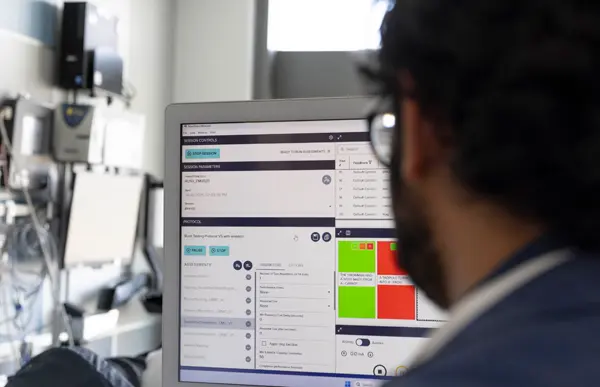
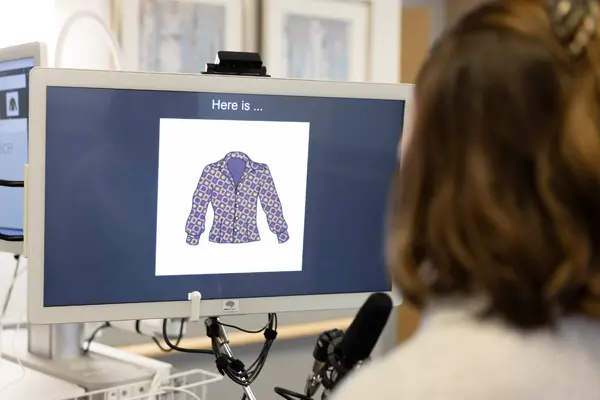
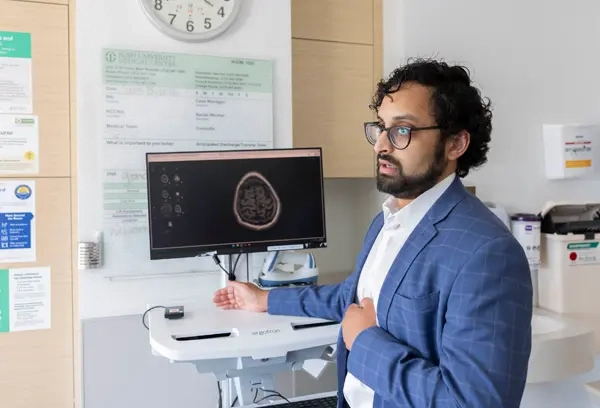
The Rush Center for Brain Mapping looks at how the human brain produces and understands language. Investigators then apply what they learn to make neurosurgery safer for patients with epilepsy and brain tumors.

Led by Arka Mallela, MD, MS, assistant professor, Department of Neurological Surgery, the center combines neurosurgery, epileptology, neuropsychology, speech-language pathology and neurophysiology. It uses brain mapping data to create groundbreaking science and inform new advanced, precision surgery. Approved in fall of 2025, the center continues to grow with a team of passionate epileptologists and neuropsychologists, and funding from Rush.
What is brain mapping?
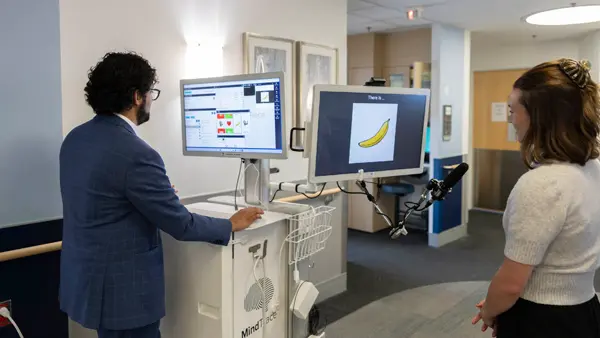
Brain mapping combines imaging, direct recording of brain activity, electrical stimulation and behavioral testing to determine where critical functions live in the brain and how those functions can be preserved or safely worked around during surgery. It creates a rare, real-time window into cognition as it happens, in awake people, at extremely precise, high resolution.
Because no two brains are organized in the same way, brain mapping is individualized for each person. That variability is a clinical challenge and a scientific opportunity — every patient mapped contributes to our understanding of how the human brain works.
"Every surgery is a chance to learn something about how the brain works and use it to help our patients."
- Arka Mallela, MD, MS
How the Rush Center for Brain Mapping works
Mallela and his team use brain mapping to better understand how patients’ brains work. It can also be used as part of treatment for patients with epilepsy and brain tumors, as well as other conditions.
Brain mapping for epilepsy
For patients whose seizures do not respond to medication, brain mapping can help identify where seizures begin and how they affect normal brain function. This may include noninvasive mapping with anatomic and functional MRI, behavioral testing, and electroencephalography, or EEG. But in many cases, greater precision is needed. Stereoelectroencephalography, or SEEG, records from inside the brain to understand where seizures originate and how they can be treated. During SEEG, physicians can also stimulate the brain to look at which regions and networks support language, memory, movement and other functions.
Brain mapping for tumors
Tumors distort the brain’s normal organization and disrupt anatomical boundaries. The Rush Center for Brain Mapping uses behavioral testing and imaging before surgery and electrical stimulation during surgery to distinguish tumors from functioning tissue.
Safely removing as much of the tumor as possible is associated with better results for the patient. Precisely understanding where brain function lives allows for safer and more effective surgery and can help teams learn more about how the brain works.
Other pathologies and conditions
Brain mapping is also helping researchers get a better understanding of what networks in the brain affect psychiatric disorders like obsessive compulsive disorder, anxiety and depression.
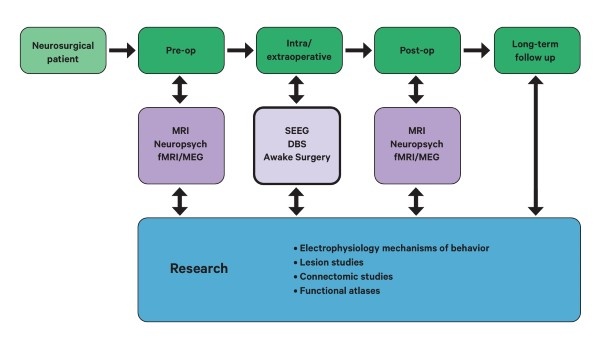
This flowchart demonstrates the stages of brain mapping for a particular patient, including which tests or procedures constitute brain mapping at each stage and how these can contribute to both clinical care and brain mapping.
Our research
How the brain creates language
Language, including naming objects, putting together sentences or holding a conversation, requires several regions of the brain to carefully work together. Where and when that happens is yet to be fully understood. But by recording the brain during language use and combining it with functional MRI, diffusion imaging and behavioral testing, the center is working to study how the brain assembles meaning into speech.
Reorganization and recovery from injury in the brain
Another line of research examines how brain networks are connected and how tumors, seizures, or surgery can disrupt these networks. Researchers use this information to better predict and prevent injury to brain function and support recovery. The center is actively investigating how prehabilitation before surgery and rehabilitation after surgery can also better support patient recovery.
Emotional processing and psychiatric networks
The center is studying how the brain processes emotions and how psychiatric conditions including depression, anxiety and OCD affect these processes. Better understanding of these diseases may lead to better treatments for these debilitating conditions.
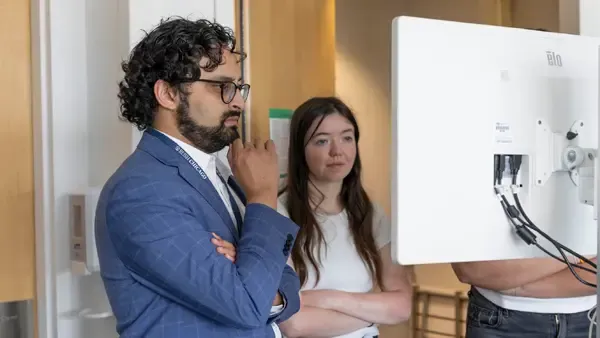
Oak Park native Jackie Bollinger is spending her summer working with Mallela through the Summer Scholars Program at Rush University. Read more about what inspired her to study biopsychology, cognition and neuroscience, and the opportunities SSP has given her.
 Rush Medical College
 Rush Medical College
 Rush Medical College
 Rush Medical College
 College of Health SciencesAssociate ProfessorDepartment of Communication Disorders and Sciences
 Rush Medical College
 Rush Medical College
Our team also includes epileptologists at the Rush Epilepsy Center, one of the largest, most comprehensive programs in the world specializing in the care of pediatric and adult patients with medically refractory epilepsy. The Rush Epilepsy Center is accredited as a Level 4 epilepsy center by the National Association of Epilepsy Centers, the highest level possible.