Image
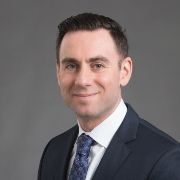
| Sepehr Sani, MD Sepehr Sani, MD, received his medical degree from the Medical College of Ohio. He completed his residency in neurological surgery at Rush University in Chicago. Sani also completed two fellowships in stereotactic, functional and epilepsy neurosurgery, one at Rush University and the other at University of California in San Francisco. Sani's clinical interests include deep brain stimulation, vagal nerve stimulation, microvascular decompression, epilepsy surgery, temporal lobectomy, corpus callosotomy, hemispherectomy, Parkinson's disease, essential tremor, dystonia, Tourette syndrome, obsessive compulsive disorder, depression, headaches, epilepsy, trigeminal neuralgia, hemifacial spasm and obesity. |
Image
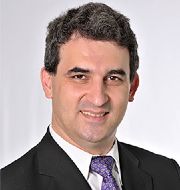
| Konstantin Slavin, MD Konstantin Slavin, MD received his medical degree from Azerbaijan State Medical Institute, Baku, Azerbaijan. Slavin also completed a fellowship in Functional and Stereotactic Neurosurgery, Department of Neurological Surgery, OHSU, Portland, Oregon. His clinical interest includes Stereotactic and Functional Neurosurgery, Facial Pain, Trigeminal Neuralgia, Gamma Knife Stereotactic Radiosurgery. Slavin's research interests parallel his clinical expertise and include practical aspects of neuromodulation, a multitude of prospective clinical studies and pioneering research in spinal cord stimulation for cerebral vasospasm, surgical treatment for migraines, and deep brain stimulation for tremor, Parkinson's disease, and depression. |
Image
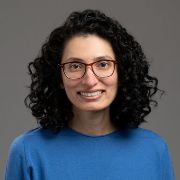
| Neepa J. Patel, MD Neepa J. Patel, MD, received her medical degree from Wayne State University, MI. Patel, also completed a fellowship in Movement Disorder, Baylor College. Patel’s research interests include Parkinson disease, Dystonia Huntington Disease and other Choreas, Tourette Syndrome, Tardive Dyskinesias, Tremors, Abnormal Movements, Restless Legs Syndrome. She is has published several peer-reviewed articles and book chapters related to movement disorders. |
Image
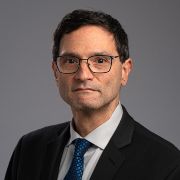
| Jay L. Shils, PhD, D. ABNM, FASNM Jay L. Shils, PhD, received his PhD in bioengineering from the University of Pennsylvania. He also received two post-doctoral fellowships, one in Neurophysiology at Graduate Hospital, Philadelphia, PA and the second in Bioengineering at the University of Pennsylvania. Shils' areas of expertise include intraoperative neurophysiological monitoring techniques and applications, neurophysiological assessment during pedicle screw placement. |
Image
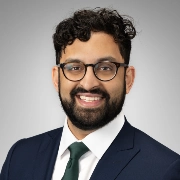
| Arka Mallela, MD Arka N. Mallela, MD, received his undergraduate and medical degrees from the University of Pennsylvania and completed his residency at the University of Pittsburgh Department of Neurological Surgery. He additionally completed fellowships in epilepsy and functional neurosurgery and neuro-oncological neurosurgery at the University of Pittsburgh. Mallela works with a highly skilled multidisciplinary team including neurology, neurophysiology, and neuropsychology to evaluate and treat patients with drug-resistant epilepsy and brain tumors. Mallela and his team offer the full range of options for drug-resistant epilepsy including stereo EEG evaluation, resective surgery, laser ablation, and neuromodulation, including cutting-edge thalamic neuromodulation. In addition, Mallela is an expert in the treatment of challenging brain tumors that require mapping of language, motor function, and cognition to achieve maximal resection of brain tumors while preserving key functions. Mallela’s lab studies how human cognition, language, and memory emerge from the brain, providing key insights not only into how disease like epilepsy and brain tumors affect these processes but also how these key functions make us human. |
Image
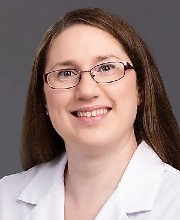
| Christina Swan, MD, PhD Christina Swan, MD, PhD, received her medical degree and doctorate from Duke University. She completed her neurology residency at the University of Pennsylvania, as well as a fellowship in movement disorders at Rush University. Her doctoral dissertation at Duke University focused on determining the existence of a causal relationship between specific patterns of neuronal activity in the basal ganglia and Parkinson's disease symptoms. Swan's clinical expertise includes deep brain stimulation. |
- Get Health Care
- About
- Giving
- Find Faculty
- Library
- Rush U Portal
-
I am a...
Select from the list below to customize your experience: Select a new categoryI am a:

- Get Health Care
- About
- Giving
- Find Faculty
- Library
- Rush U Portal
-
I am a...
Select from the list below to customize your experience: Select a new categoryI am a: