

Our one-year advanced training program provides the clinical knowledge and multimodal imaging expertise necessary to guide modern cancer care.
The Oncologic Imaging Fellowship at Rush University Medical Center is a one-year advanced training program designed to provide comprehensive expertise in cancer imaging across multiple organ systems and imaging modalities. Fellows gain in-depth experience in the diagnosis, staging, treatment response assessment, and surveillance of oncologic diseases through a multidisciplinary approach that integrates radiology, nuclear medicine, and molecular imaging.
Training encompasses CT, MRI, PET/CT, functional imaging, and emerging molecular imaging techniques, preparing fellows to become leaders in oncologic imaging within both academic and private practice settings. Through close collaboration with subspecialty experts and participation in multidisciplinary tumor boards, fellows develop the clinical knowledge and imaging expertise necessary to guide modern cancer care.
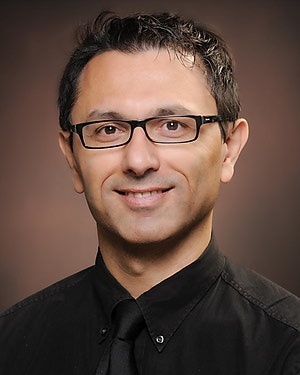
Thank you for your interest in the Oncologic Imaging Fellowship.
Our fellowship offers advanced multidisciplinary training in cancer imaging, combining expertise from neuroradiology, body imaging, cardiothoracic imaging, musculoskeletal radiology, nuclear medicine, and molecular imaging. Fellows gain experience across a broad spectrum of malignancies while working alongside dedicated faculty committed to education, innovation, and patient-centered care.
Through comprehensive clinical exposure, multidisciplinary tumor boards, and opportunities for scholarly activity, we are committed to prepare fellows to become expert oncologic imagers. We invite you to explore our program and discover the unique opportunities available at Rush.
Mehmet Kocak, MD
Program Director
Program Highlights
- One-year advanced fellowship focused exclusively on oncologic imaging
- Comprehensive training in CT, MRI, PET/CT, functional imaging, and molecular imaging
- Dedicated exposure to advanced oncologic radiopharmaceuticals including FDG, PSMA, DOTATATE, FES, and emerging investigational agents
- Participation in multidisciplinary tumor boards across organ systems
- Rotations in neuroradiology, body imaging, cardiothoracic imaging, musculoskeletal imaging, and nuclear medicine
- High-volume tertiary referral cancer imaging experience with mentorship from subspecialty experts
Clinical Training
The fellowship provides broad-based exposure to cancer imaging throughout the body, emphasizing the role of imaging in diagnosis, staging, treatment planning, and response assessment.
Rotation Structure
- Neuroradiology – 4 months
- Nuclear Medicine & Molecular Imaging – 4 months
- Body Imaging – 2 months • Cardiothoracic Imaging – 1 month
- Musculoskeletal Imaging – 1 month
Fellows interpret more than 3,000 cross-sectional oncologic imaging studies during the training year and gain expertise in:
- CT and MRI of oncologic diseases
- PET/CT imaging
- Functional MRI and MR perfusion
- Molecular imaging applications and theranostics
- Advanced cancer staging and treatment response assessment
- Imaging protocol development and supervision of complex examinations
Multidisciplinary Conferences
Active participation in multidisciplinary tumor boards, where fellows prepare and present imaging findings while collaborating with specialists across oncology disciplines, is a center part of this experience.
Tumor board participation includes:
- Brain Tumor Board
- Spine Tumor Board
- Head & Neck Tumor Board
- Sarcoma Conference
- Lymphoma Conference
- Thyroid Cancer Conference
- Gastrointestinal Oncology Conference
- Genitourinary Oncology Conference
- Liver Tumor Board
- Gynecologic Oncology Conference
- Thoracic Oncology Conference
These conferences provide fellows with a deeper understanding of clinical decision-making and the critical role imaging plays in personalized cancer care.
Didactics, Research and Teaching
Structured Educational Curriculum
Dedicated teaching is provided by faculty from each subspecialty section and supplemented by resident and departmental educational conferences. Topics include:
Neuro-Oncology
- Brain tumors and WHO classification
- Spinal neoplasms
- Metastatic disease
- Head and neck malignancies
Body Oncology
- Gastrointestinal cancers
- Genitourinary cancers
- Hepatobiliary and pancreatic tumors
- Gynecologic malignancies
Cardiothoracic Oncology
- Lung cancer
- Mediastinal tumors
- Lymphoma imaging
Musculoskeletal Oncology
- Bone and soft tissue sarcomas
Nuclear Medicine & Molecular Imaging
- PET/CT oncology imaging
- Neuroendocrine tumor imaging
- Prostate cancer molecular imaging
- Emerging theranostic applications
Research & Scholarly Activity
Fellows are encouraged to participate in clinical research, educational projects, and scholarly activities related to oncologic imaging, molecular imaging, and cancer diagnostics. Opportunities exist for presentation at national meetings and publication in peer-reviewed journals.
Faculty Expertise
The fellowship draws upon a multidisciplinary faculty with expertise in:
- Neuro-oncology imaging
- Head and neck cancer imaging
- Thoracic oncology imaging
- Gastrointestinal and genitourinary oncology imaging
- Musculoskeletal oncology imaging
- Pediatric oncology imaging
- PET/CT and molecular imaging
- Nuclear medicine and theranostics
This collaborative faculty structure provides fellows with exposure to virtually every major cancer imaging subspecialty.
Application Information
Eligibility
Applicants must:
- Successfully complete a Diagnostic Radiology Residency Program
- Meet Rush University Medical Center graduate medical education requirements
- Be eligible for medical licensure in Illinois
- Possess appropriate work authorization or visa status
Application Materials
Applicants should submit:
- Fellowship application
- Curriculum vitae (CV)
- Three letters of recommendation
- Residency program director letter
- Additional institutional documentation as required
Program Director
Mehmet Kocak, MD
Department of Diagnostic Radiology & Nuclear Medicine
Rush University Medical Center