

Our PhD program prepares you to be an outstanding research scientist. Learn more.
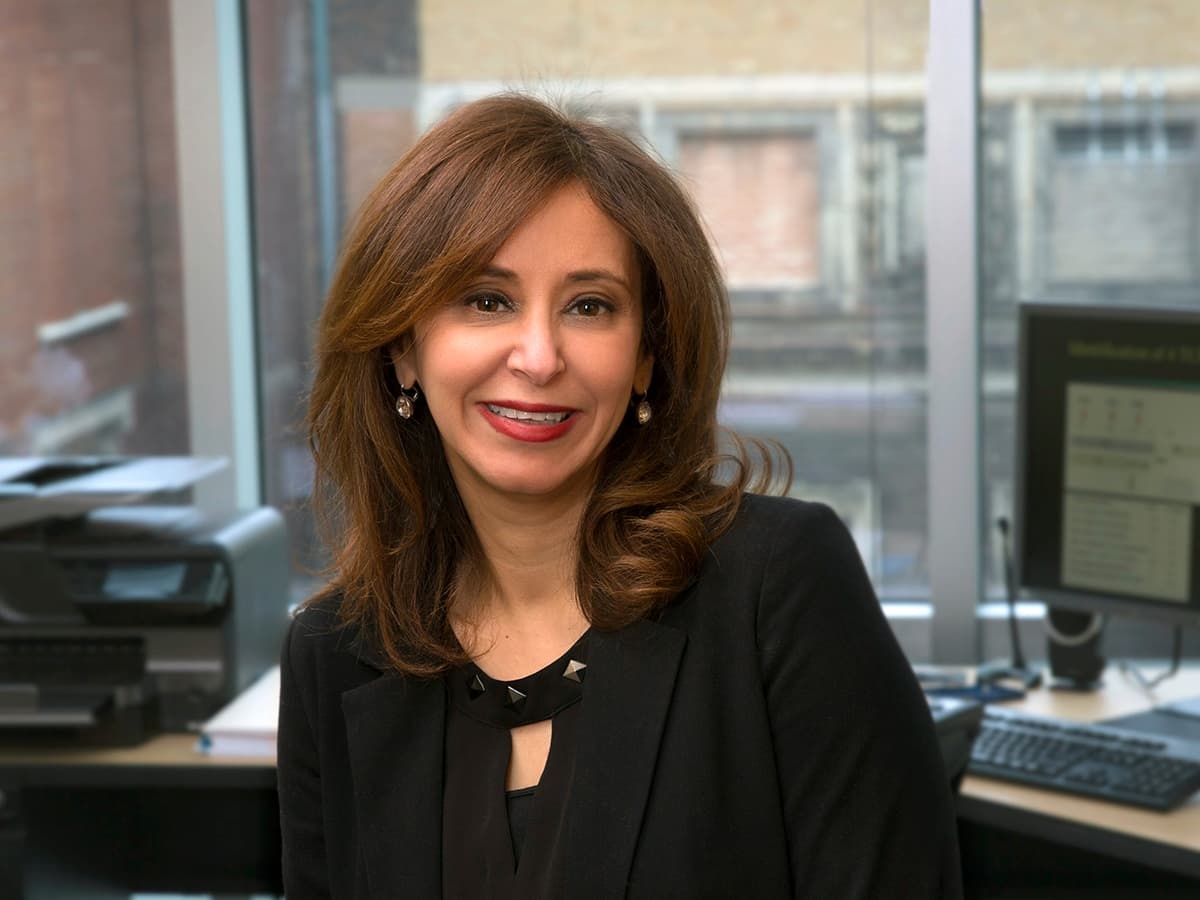
Meet our department’s faculty and staff.

Learn more about our department’s research.
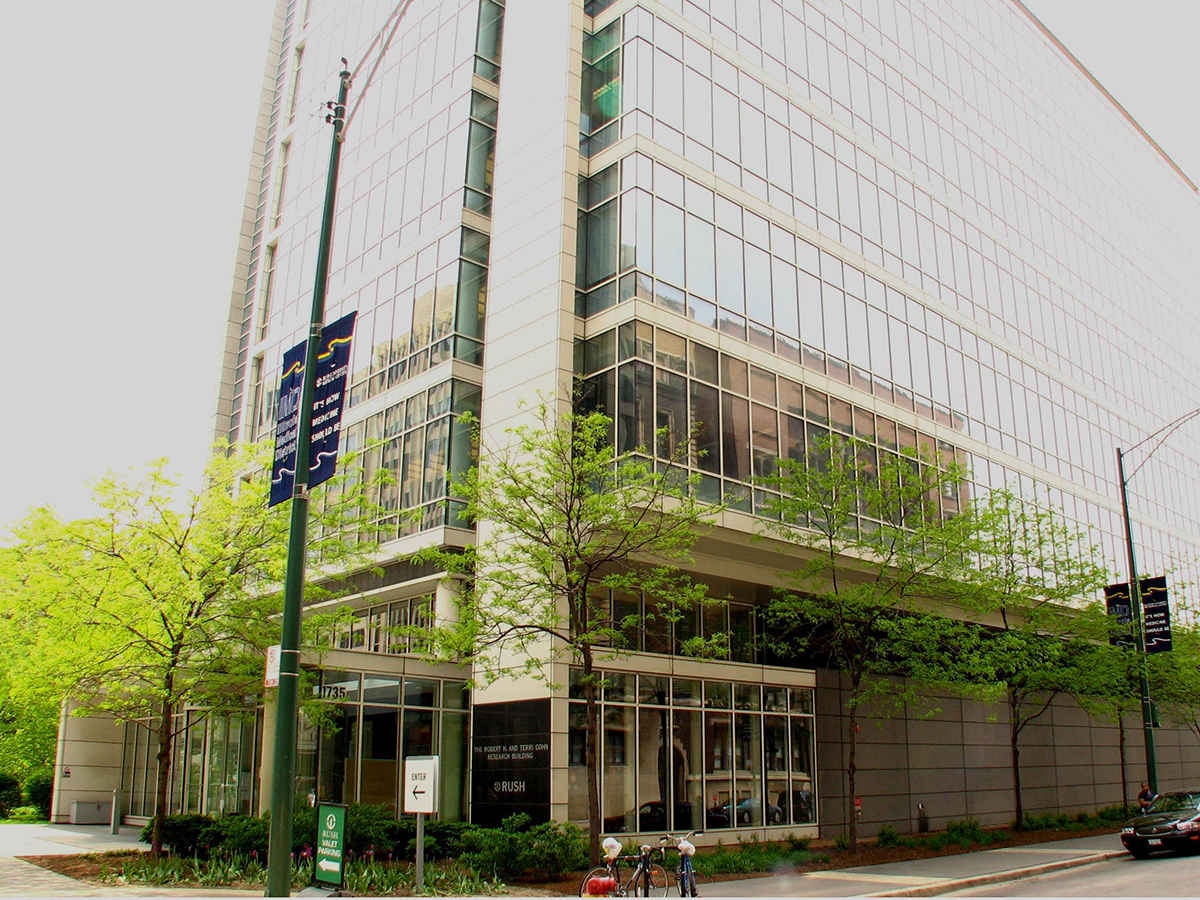
Learn more about the Department of Microbial Pathogens and Immunity seminars.

See the latest press coverage of our research.
Our leading-edge research focuses on translational laboratory programs in HIV immunology and virology, host pathogen interaction, microbiome studies and tumor immunology.
Learn more about the Department of Microbial Pathogens and Immunity
-
Recent NewsImage
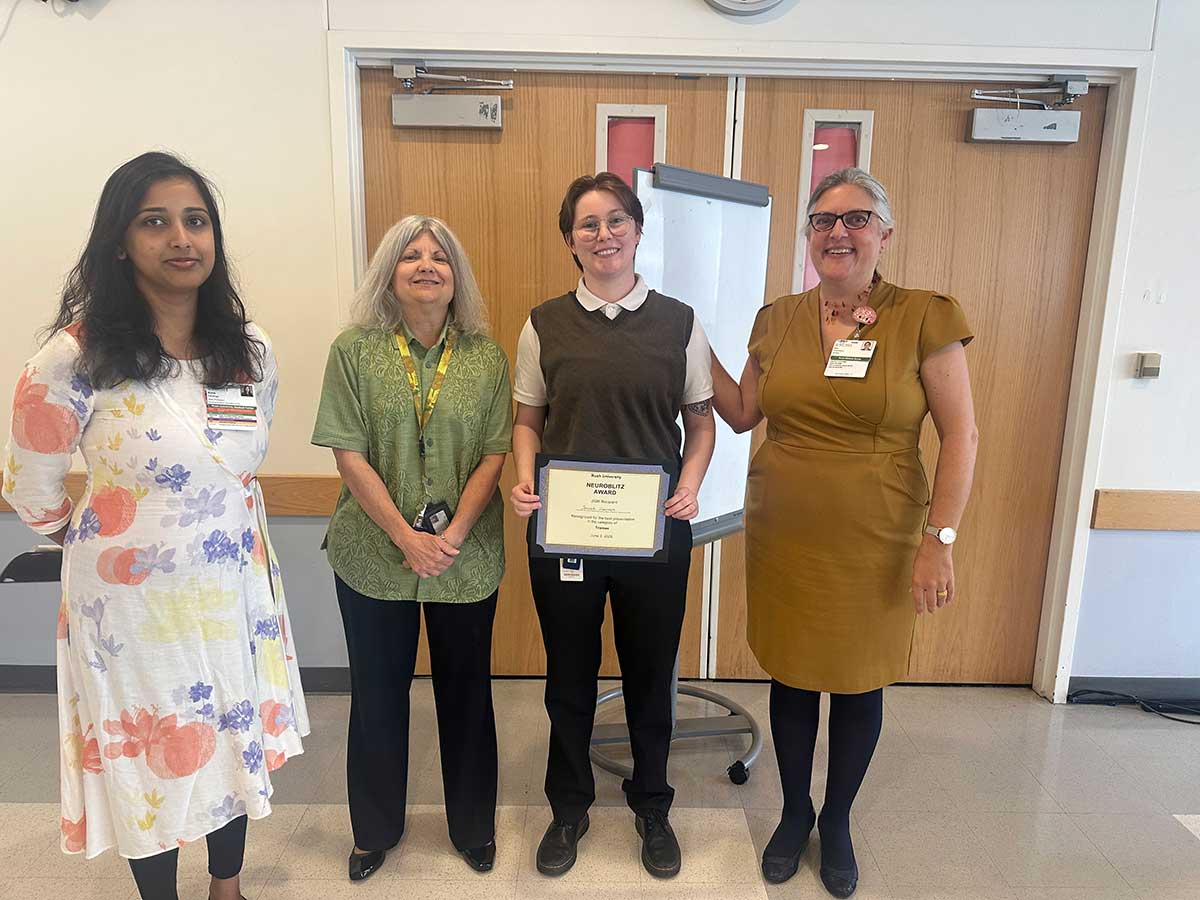
Trainees Accomplishments
Congratulations to Jessah Goldner
Congratulations to Jessah Goldner, a pre-doctoral trainee working under Dr. Jennillee Wallace, on receiving the NeuroBlitz Best Trainee Presentation Award. This recognition reflects Jessah’s dedication and high-quality research.Image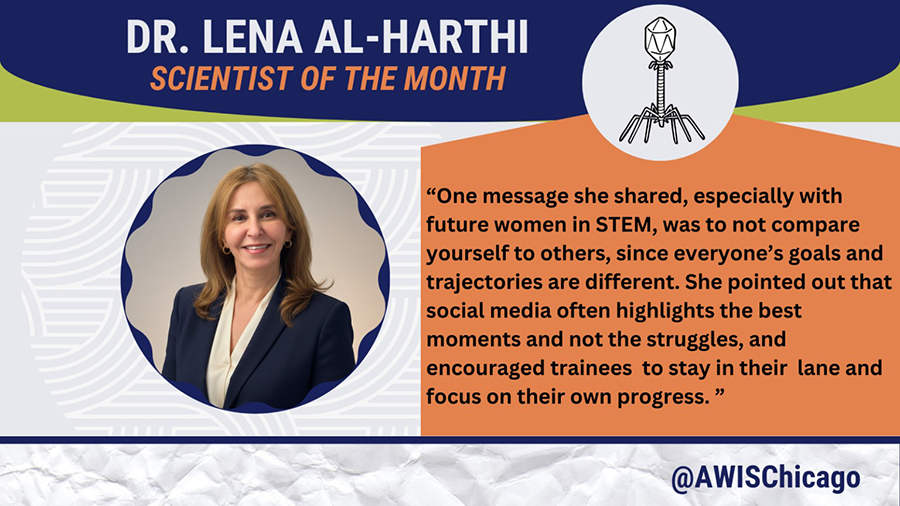
Faculty Accomplishments
Congratulations to Lena Al-Harthi, PhD
Congratulations to Dr. Lena Al-Harthi on being named Spring 2026 Scientist of the Month by the Association for Women in Science – Chicago Area Chapter. This is a well-deserved recognition of her outstanding contributions. Read more…Image
Faculty Accomplishments
Congratulations to David Williams, PhD
Dr. David Williams' research has been selected as an Editors’ Choice article by the American Chemical Society (ACS) - an honor given to only a select few papers from across ACS’s portfolio of over 50,000 articles published annually. This recognition speaks to the impact and relevance of his work.
The selected article, “Targeting Apicomplexan Parasites: Structural and Functional Characterization of Cryptosporidium Thioredoxin Reductase as a Novel Drug Target”, was published in Biochemistry and reflects important advances in the fight against parasitic diseases. Read more…Image
Faculty Accomplishments
Lena Al-Harthi, PhD, Receives R56 Research Award
Lena Al-Harthi, PhD, Vice Dean of Research, Head of the Division of Translational Science and Chair of Department of Microbial Pathogens and Immunity, Rush Medical College has recently received a NIH 2024 Office of Autoimmune Disease Research R56 research award. R56 awards support short-term, highly meritorious extramural research that falls just outside the funding limits of participating NIH institutes and centers. Congratulations! Read More About the Award.Image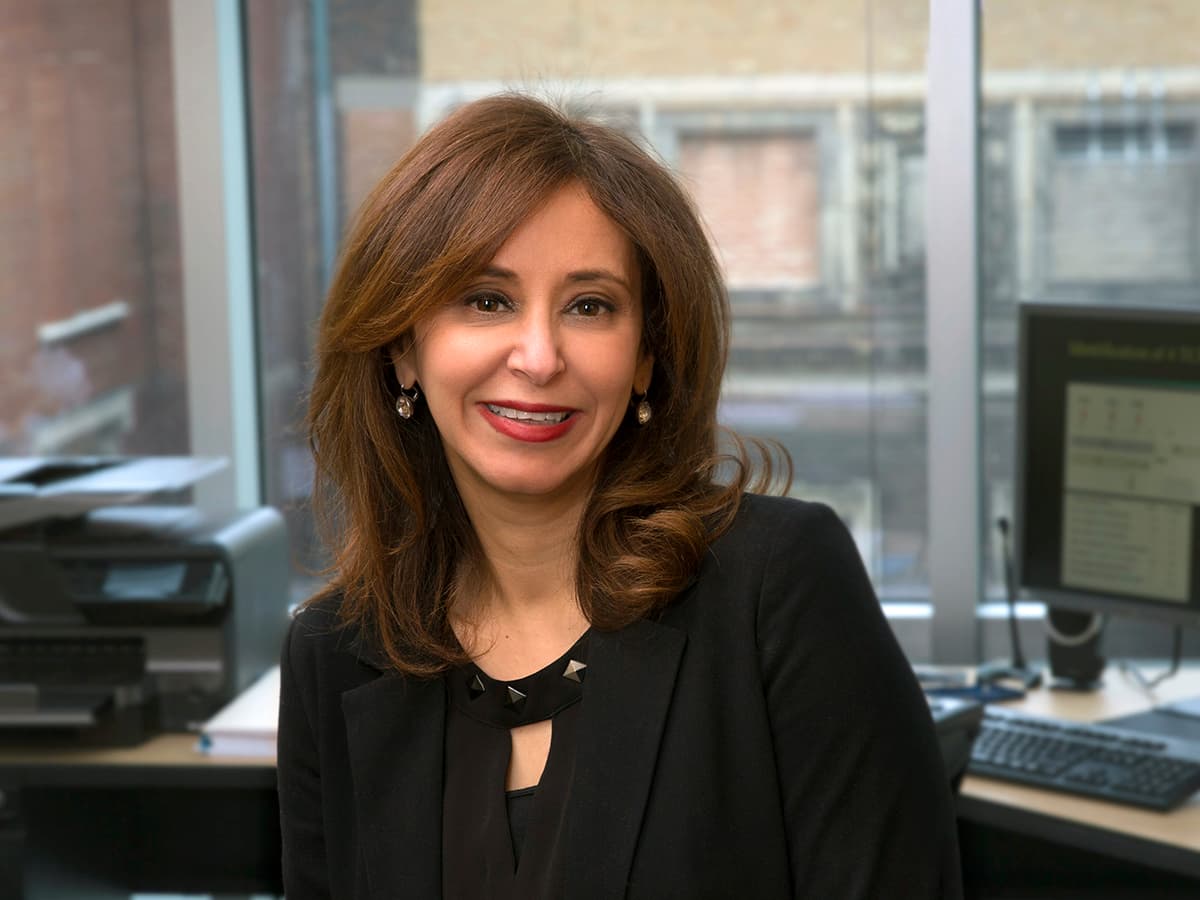
Faculty News
Lena Al-Harthi, PhD, Named RUSH Medical College Acting Vice Dean for Research
Lena Al-Harthi, PhD has accepted the vice dean for research role in an acting capacity. The transitions were effective Feb. 1, 2024. Read more…Image
Faculty News
Graduate College Programs To Transition To RUSH Medical College
Lena Al-Harthi, PhD will lead the transition of these graduate programs into the division of translational science. Read more…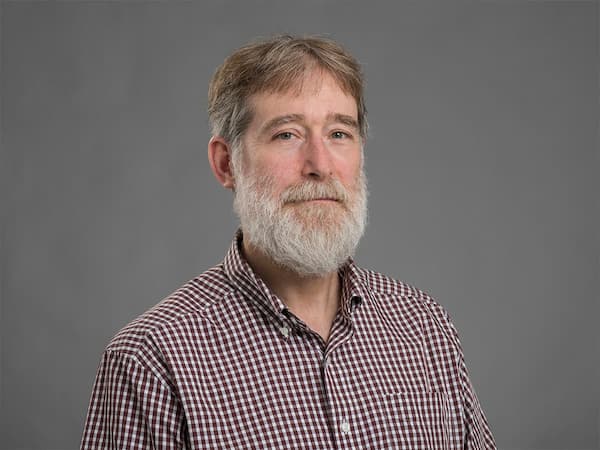
Faculty Accomplishments
Congratulations to David Williams, PhD
Congratulations to Dr. David Williams and his team on the acceptance of their manuscript to the prestigious Nature Communication journal. Title of their work is “Non-covalent inhibitors of thioredoxin glutathione reductase with Schistomicidal activity in vivo”. Dr. Williams has been at the forefront of drug development against this parasite! Well done!
Image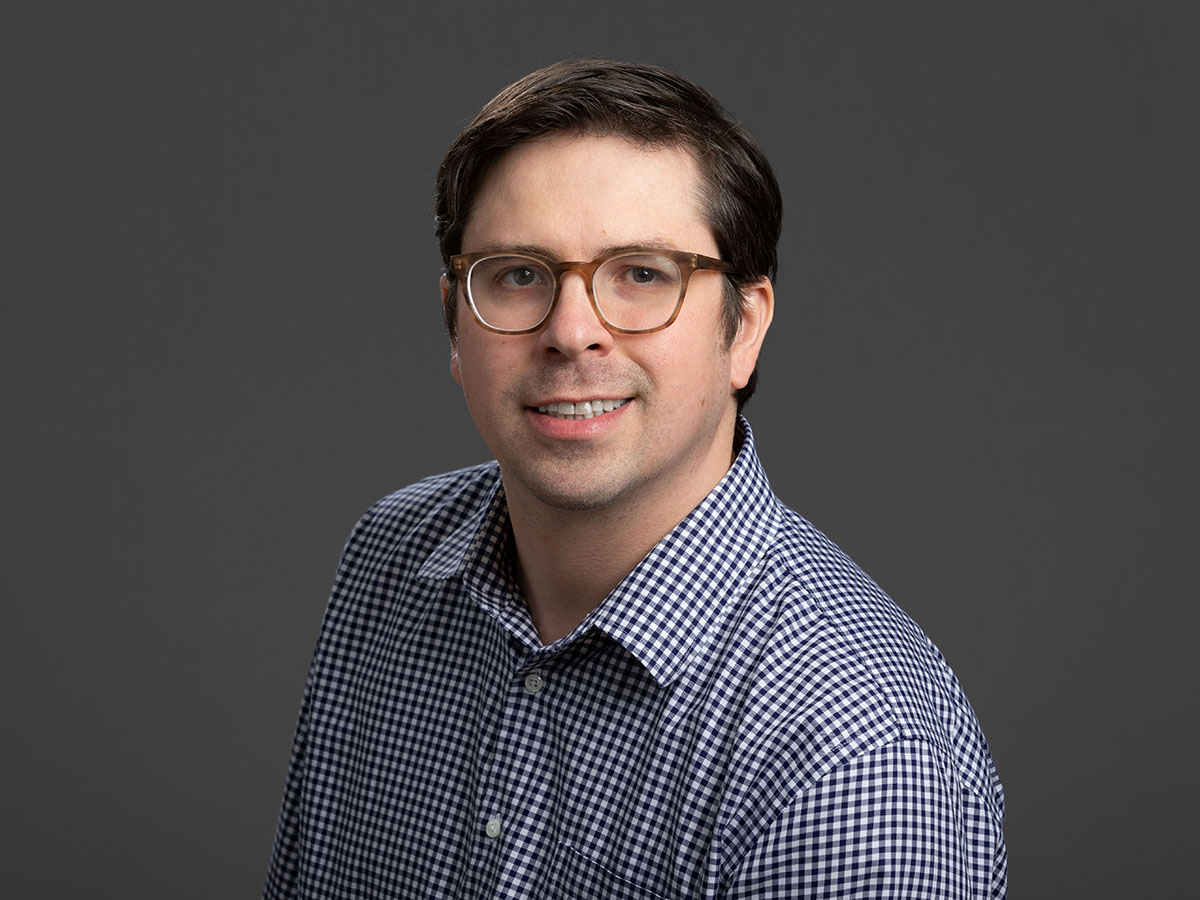
Faculty News
Antibody Properties in Plasma Can Predict COVID-19 Severity
A recent study by Jeffrey Schneider, PhD and researchers at Rush University and Northwestern University. Read more…
The results of the study were recently published in Cell Reports. You can learn more about the study here.Image
Faculty News
T-Cells Help HIV Enter and Persist in the Brain
Research highlight featuring the study by Lena Al-Harthi, PhD is posted on the NIMH website. Read more…Image
Faculty News
Test Tube to Bedside: The RUSH Way
Rush News article “Test Tube to Bedside: The RUSH Way” by Lena Al-Harthi, PhD. Read more…Image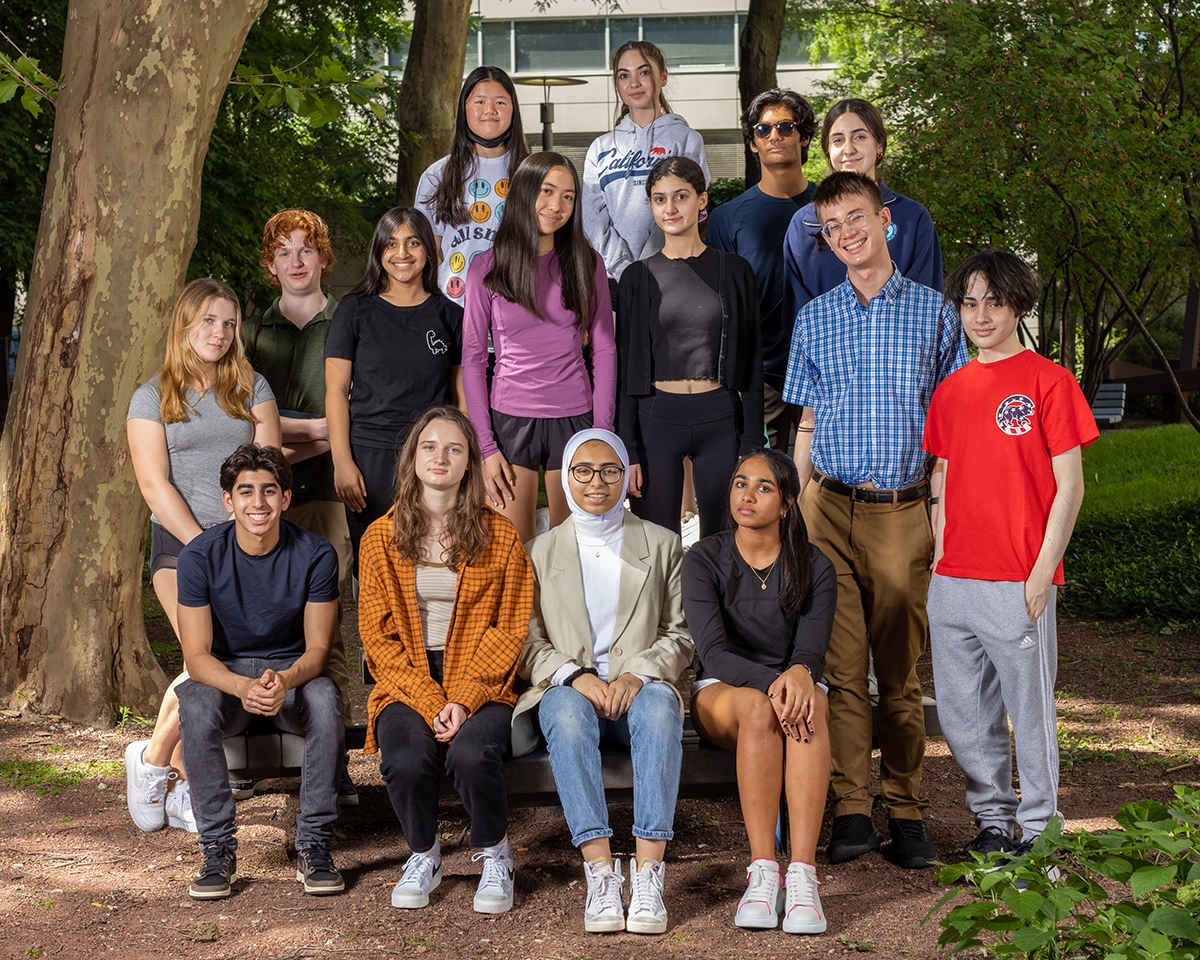
Department News
Summer Internship Program with British International School of Chicago-South Loop
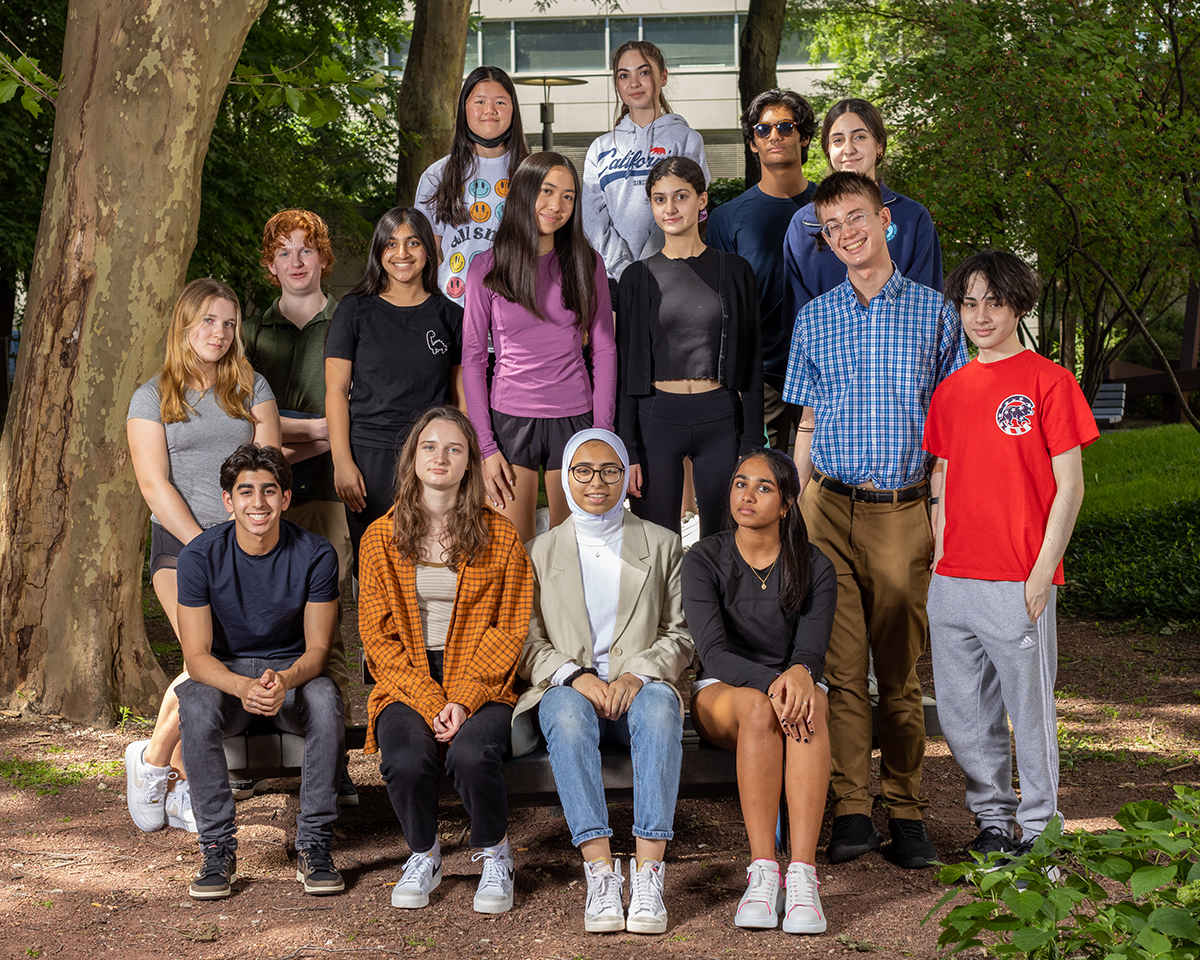
Rising seniors from the British International School of Chicago-South Loop (BISC-SL) completed a research internship at Rush University, organized by MPI. The students also participated in several activities to learn about the career paths of biomedical scientists. A special thank you to the laboratories of Dr. Dino Samartzis, Dr. Ryan Ross, Dr. Robin Pourzal, Dr. Xiu-Ti Hu, Dr. Edward Barker, Dr. Hannah Lundberg, and Dr. Lena Al-Harthi for hosting them and facilitating their learning experience.
See more photos of BISC-SL students working in the lab of Dr. Al-Harthi here.Image
Faculty Accomplishments
RUSH Researchers Studying 'Breakthrough' COVID-19
Jeffrey Schneider PhD, assistant professor in the Department of Microbial Pathogens and Immunity and Jeffrey Borgia PhD, associate professor of Anatomy and Cell Biology have received a $1.4 million grant to study "breakthrough" infections of COVID-19 in vaccinated people who have received booster shots. Read more...Image
Faculty News
Dr. Lena Al-Harthi was quoted in this Washington Post article. Read more… [PDF]
Image
Faculty Accomplishments
HIV infects astrocytes in vivo and egresses from the brain to the periphery
Image
Faculty Accomplishments
Brain Cells Can Spread HIV
HIV can reside in brain cells, and the AIDS-causing virus can spread from the brain to the body, even if it’s been suppressed by antiretroviral therapy, according to a study by Lena Al-Harthi, PhD, chairperson of the Department of Microbial Pathogens and Immunity and an immunology expert. Read more...
Dr. Al-Harthi articles in the press and media coverage highlight her recent work. Read more...
Image
Faculty News
Dr. Lena Al-Harthi was interviewed by CNN.
Research News
Lab Re-Entry Materials
Image
Faculty Accomplishments
"A batty solution? The potential vaccine for future outbreaks" MPI expert opinion on vaccination relevant to COVID-19
Kudos to one of our own, Edward Barker, PhD, for publishing an opinion piece on preventing bat viruses from infecting the human population! As you recall, Dr. Barker was selected to the Public Voices fellow program through the OpEd project championed by the President's Office.
Bats transmitted the three coronaviruses causing epidemics/pandemics in the last decade (SARS-CoV, MERS-CoV, and SARS-COV2). Targetting vaccinating them against their own viruses could stop transmission the human population! Read more...
-
News ArchiveImage
Trainees Accomplishments
Congratulations to Jessah Goldner
Congratulations to Jessah Goldner, a pre-doctoral trainee working under Dr. Jennillee Wallace, on receiving the NeuroBlitz Best Trainee Presentation Award. This recognition reflects Jessah’s dedication and high-quality research.Image
Faculty Accomplishments
Congratulations to Lena Al-Harthi, PhD
Congratulations to Dr. Lena Al-Harthi on being named Spring 2026 Scientist of the Month by the Association for Women in Science – Chicago Area Chapter. This is a well-deserved recognition of her outstanding contributions. Read more…Image
Faculty Accomplishments
Congratulations to David Williams, PhD
Dr. David Williams' research has been selected as an Editors’ Choice article by the American Chemical Society (ACS) - an honor given to only a select few papers from across ACS’s portfolio of over 50,000 articles published annually. This recognition speaks to the impact and relevance of his work.
The selected article, “Targeting Apicomplexan Parasites: Structural and Functional Characterization of Cryptosporidium Thioredoxin Reductase as a Novel Drug Target”, was published in Biochemistry and reflects important advances in the fight against parasitic diseases. Read more…Image
Faculty Accomplishments
Lena Al-Harthi, PhD, Receives R56 Research Award
Lena Al-Harthi, PhD, Vice Dean of Research, Head of the Division of Translational Science and Chair of Department of Microbial Pathogens and Immunity, Rush Medical College has recently received a NIH 2024 Office of Autoimmune Disease Research R56 research award. R56 awards support short-term, highly meritorious extramural research that falls just outside the funding limits of participating NIH institutes and centers. Congratulations! Read More About the Award.Image
Faculty News
Lena Al-Harthi, PhD, Named RUSH Medical College Acting Vice Dean for Research
Lena Al-Harthi, PhD has accepted the vice dean for research role in an acting capacity. The transitions were effective Feb. 1, 2024. Read more…Image
Faculty News
Graduate College Programs To Transition To RUSH Medical College
Lena Al-Harthi, PhD will lead the transition of these graduate programs into the division of translational science. Read more…Faculty Accomplishments
Congratulations to David Williams, PhD
Congratulations to Dr. David Williams and his team on the acceptance of their manuscript to the prestigious Nature Communication journal. Title of their work is “Non-covalent inhibitors of thioredoxin glutathione reductase with Schistomicidal activity in vivo”. Dr. Williams has been at the forefront of drug development against this parasite! Well done!
Image
Faculty News
Antibody Properties in Plasma Can Predict COVID-19 Severity
A recent study by Jeffrey Schneider, PhD and researchers at Rush University and Northwestern University. Read more…
The results of the study were recently published in Cell Reports. You can learn more about the study here.Image
Faculty News
T-Cells Help HIV Enter and Persist in the Brain
Research highlight featuring the study by Lena Al-Harthi, PhD is posted on the NIMH website. Read more…Image
Faculty News
Test Tube to Bedside: The RUSH Way
Rush News article “Test Tube to Bedside: The RUSH Way” by Lena Al-Harthi, PhD. Read more…Image
Department News
Summer Internship Program with British International School of Chicago-South Loop
Rising seniors from the British International School of Chicago-South Loop (BISC-SL) completed a research internship at Rush University, organized by MPI. The students also participated in several activities to learn about the career paths of biomedical scientists. A special thank you to the laboratories of Dr. Dino Samartzis, Dr. Ryan Ross, Dr. Robin Pourzal, Dr. Xiu-Ti Hu, Dr. Edward Barker, Dr. Hannah Lundberg, and Dr. Lena Al-Harthi for hosting them and facilitating their learning experience.
See more photos of BISC-SL students working in the lab of Dr. Al-Harthi here.Image
Faculty Accomplishments
RUSH Researchers Studying 'Breakthrough' COVID-19
Jeffrey Schneider PhD, assistant professor in the Department of Microbial Pathogens and Immunity and Jeffrey Borgia PhD, associate professor of Anatomy and Cell Biology have received a $1.4 million grant to study "breakthrough" infections of COVID-19 in vaccinated people who have received booster shots. Read more...Image
Faculty News
Dr. Lena Al-Harthi was quoted in this Washington Post article. Read more… [PDF]
Image
Faculty Accomplishments
HIV infects astrocytes in vivo and egresses from the brain to the periphery
Image
Faculty Accomplishments
Brain Cells Can Spread HIV
HIV can reside in brain cells, and the AIDS-causing virus can spread from the brain to the body, even if it’s been suppressed by antiretroviral therapy, according to a study by Lena Al-Harthi, PhD, chairperson of the Department of Microbial Pathogens and Immunity and an immunology expert. Read more...
Dr. Al-Harthi articles in the press and media coverage highlight her recent work. Read more...
Image
Faculty News
Dr. Lena Al-Harthi was interviewed by CNN.
Research News
Lab Re-Entry Materials
Image
Faculty Accomplishments
"A batty solution? The potential vaccine for future outbreaks" MPI expert opinion on vaccination relevant to COVID-19
Kudos to one of our own, Edward Barker, PhD, for publishing an opinion piece on preventing bat viruses from infecting the human population! As you recall, Dr. Barker was selected to the Public Voices fellow program through the OpEd project championed by the President's Office.
Bats transmitted the three coronaviruses causing epidemics/pandemics in the last decade (SARS-CoV, MERS-CoV, and SARS-COV2). Targetting vaccinating them against their own viruses could stop transmission the human population! Read more...
Image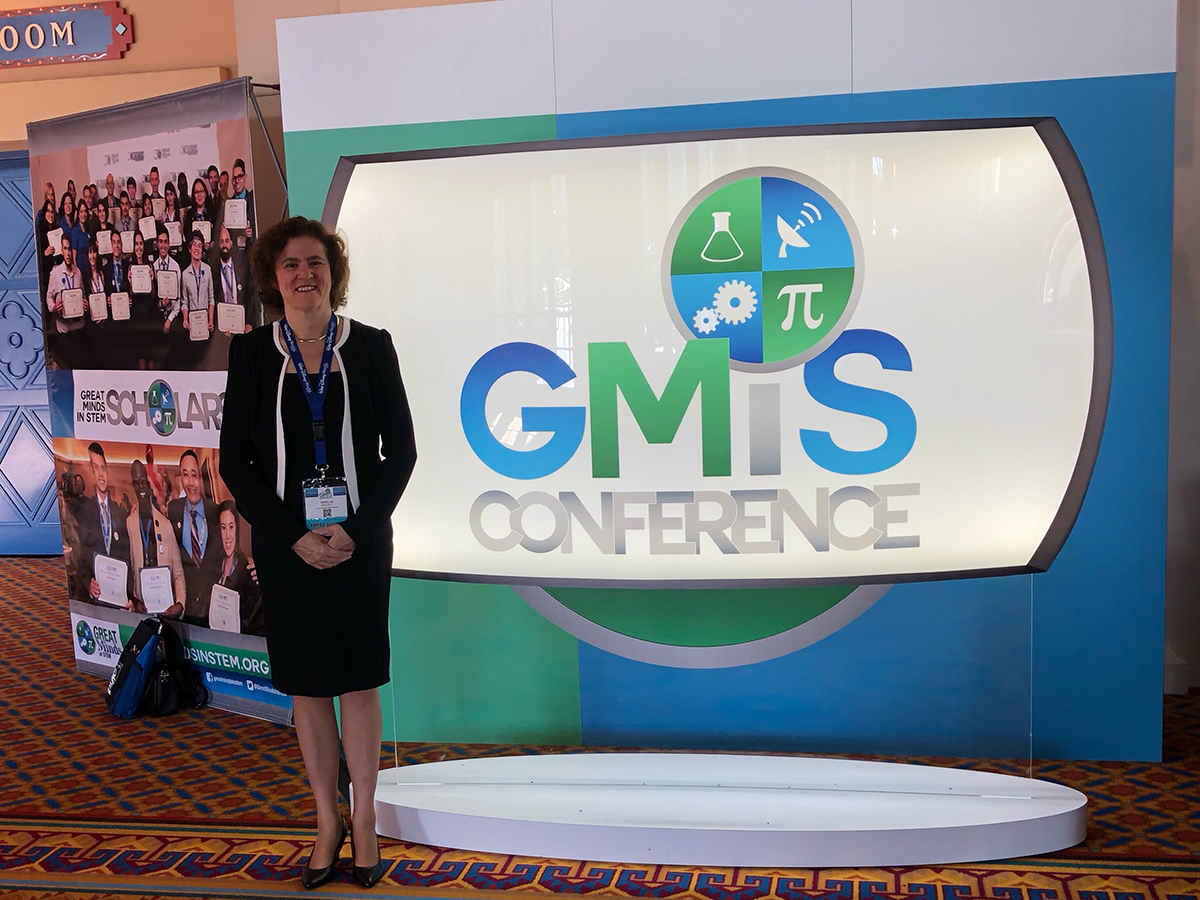
Faculty Accomplishments
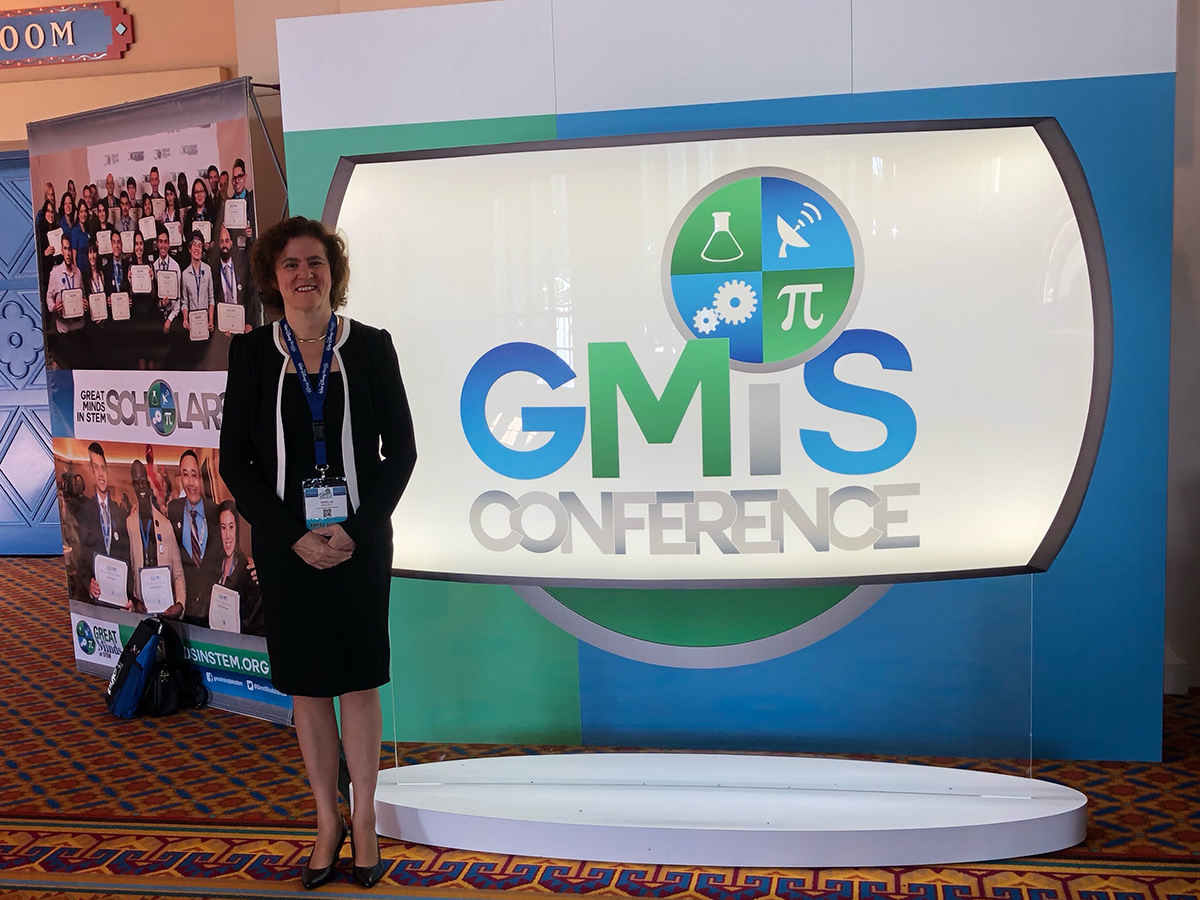
2019 HENAAC Award Winners
Giselle Sandi, PhD has been selected by Great Minds in STEM to receive the 2019 Hispanic Engineer National Achievement award for education. This prestigious award honors Giselle’s life-long commitment to promote STEM education for under-represented minority groups. Her efforts have had a sustained regional and national impact for STEM education at all levels from elementary to higher level education. She will receive this prestigious award at the upcoming Hispanic Engineer National Achievement Awards Conference (HENAAC).
Image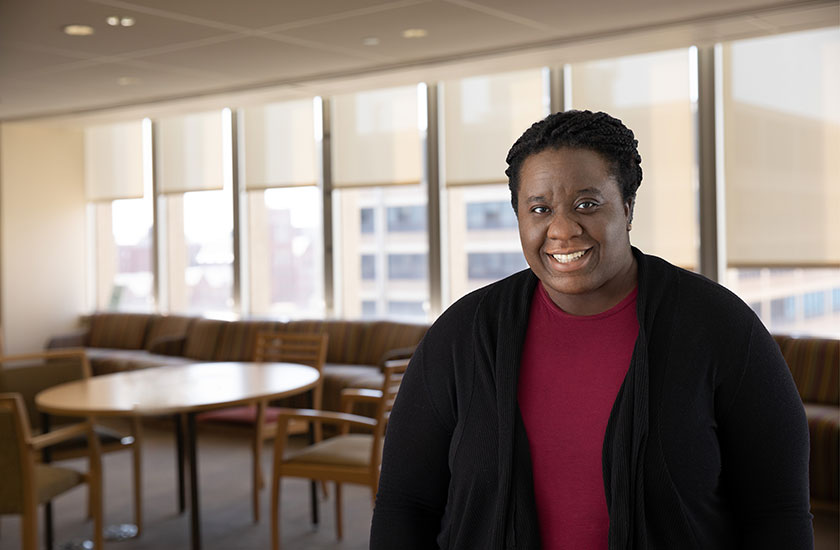
Alumni Accomplishments
A Budding Research Star
The Q&A with Graduate College alumna Jennillee Wallace, MS, PhD.Image
Faculty Appointments
Lena Al-Harthi, PhD, as the next chairperson of the Department of Microbial Pathogens and Immunity
Read more...Image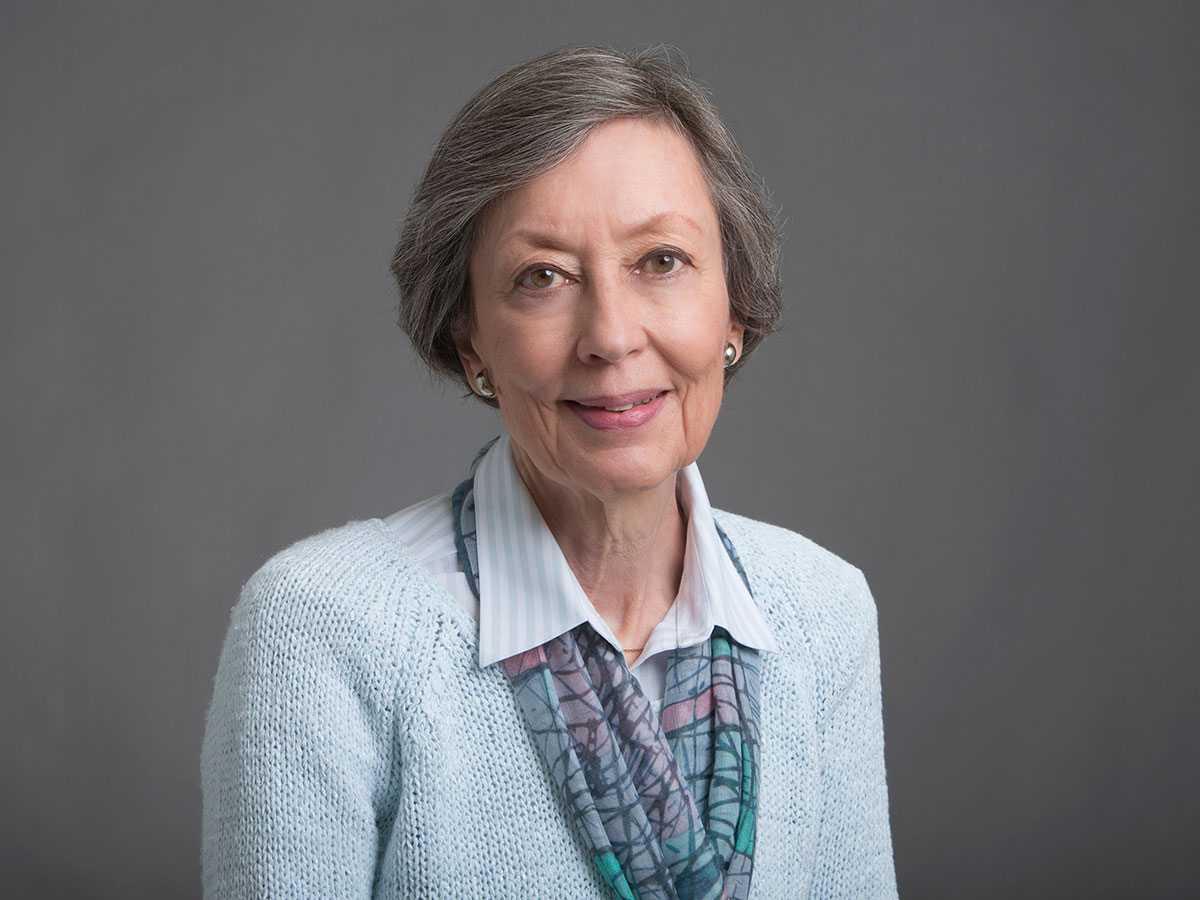
Faculty Accomplishments
2018-2019 Rush Faculty Excellence Awards
Nell S. Lurain, PhD, professor of the Department of Microbial Pathogens and Immunity, recently received a Rush Faculty Excellence in Education Award.Faculty Recognition Reception celebrating winners to be held on June 25, 2019.
2019 Faculty Excellence Award Winners and Recognition Reception Video.
Contact Us
1735 W. Harrison St.
Chicago, IL 60612
Phone: (312) 942- 2442
Fax: (312) 942-2808
Email: kelly_boles@rush.edu