|
 |
| Last Name: | Chubinskaya |
| First Name: | Susan |
| M. I.: | |
| Degree & Certifications: | PhD |
| Endowed Professorship: | CIBA-Geigy Chair of Biochemistry |
| Rank & Title: | Professor |
| Department: | Biochemistry, Internal Medicine, Orthopedic Surgery |
| College: | GME, Graduate College, Rush Medical College |
|
| Office Location: | 1735 W. Harrison St.
Cohn Research Building
Ste. 522
Chicago, IL 60612
|
| Laboratory Location: | 1735 W. Harrison St.
Cohn Research Building
Ste. 547
Chicago, IL 60612
|
| Phone: | (312) 942-6699 |
| Fax: | (312) 942-3053 |
| E-mail: | susanna_chubinskaya@rush.edu |
|
| Education: | Ph.D. Department of Metastasis, Institute of Oncology, Ukrainian Academy of Sciences, Kiev, Ukraine, 1990
|
| Research Areas: | |
| Laboratory Techniques: | |
| Hyperlinks: |
|
|
| Documents: | |

|
|
| Faculty/Staff Description: | |
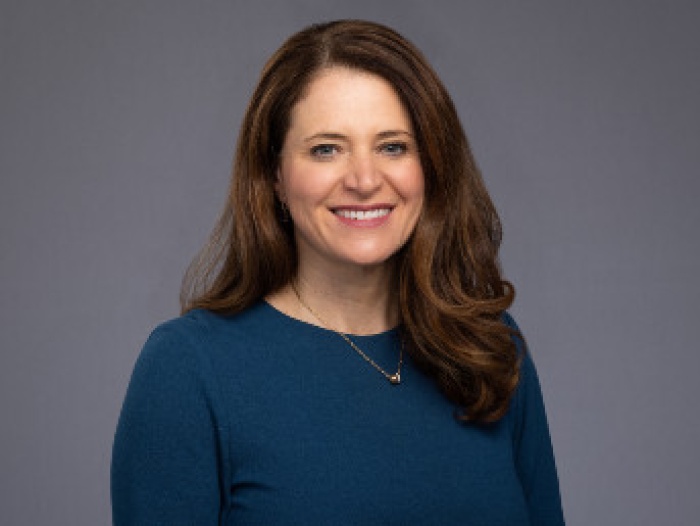
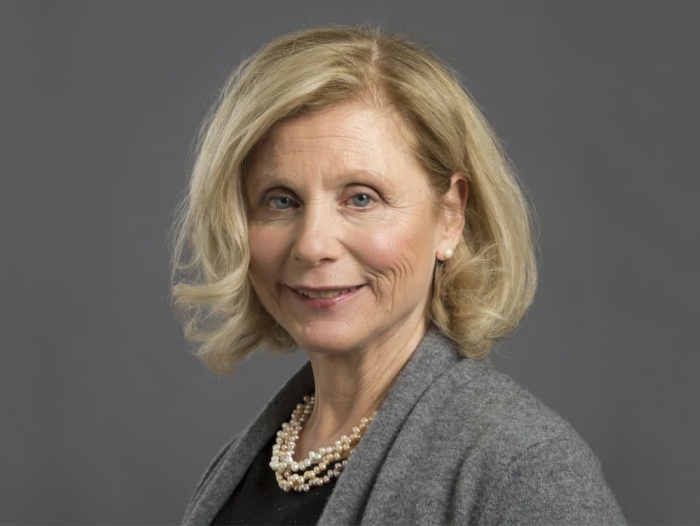
Susan Chubinskaya, PhD has a primary appointment as professor of biochemistry with secondary appointments as professor of internal medicine (Section of Rheumatology) and orthopedic surgery. Susan received her PhD in 1990 from the Department of Metastasis, Institute of Oncology, Ukrainian Academy of Sciences, Kiev, Ukraine. In 1992 she immigrated with her family to the United States. From 1993 to 1996 she was a postdoctoral fellow of Ada Cole, PhD, in the Department of Biochemistry, here at Rush, studying matrix metalloproteinases and specifically neutrophil collagenase in human articular cartilage.
In 1996 Chubinskaya joined the faculty at Rush Medical College. She is an internationally recognized expert in the field of growth factors/the bone morphogenetic proteins in cartilage repair and regeneration.
Research Interests
The major focus of Chubinskaya's research program is cartilage aging, regeneration and repair, with the emphasis on growth factors, especially Osteogenic Protein-1 (OP-1), a member of the bone morphogenetic protein family. Our results suggest that OP-1 is a unique growth factor which, unlike other members of the same family, exhibits prominent pro-anabolic and broad anti-catabolic and anti-pain activities. It plays a crucial role in overall cartilage homeostasis. Animal and preliminary human studies have demonstrated that OP-1 has the ability to repair cartilage in vivo in various models of articular cartilage degradation, including acute trauma, focal osteochondral and chondral defects, and osteoarthritis, as well as models of degeneration in intervertebral disc (in collaboration with Dr. Kawakami, Japan). Our findings show significant promise for OP-1/BMP-7 alone, or in combination with various anti-catabolic agents, as a therapy for cartilage and disc repair and regeneration.
Current interests include the mechanisms of interaction between OP-1 and pro-inflammatory cytokines and neuromediators in cartilage and intervertebral discs, as well as the role OP-1 plays in the regulation of other signaling pathways, including growth factors, especially IGF-1 (in collaboration with Dr. Loeser, Wake Forest University School of Medicine).
Another aspect of Chubinskaya's research is the study on serum and synovial fluid biomarkers, with the emphasis on the OP-1 and OP-1-related factors that could have potential prognostic/diagnostic value in the development of various pathophysiological conditions (including rheumatoid and osteoarthritis). In Chubinskaya's laboratory a new ELISA method was developed to measure the concentration of OP-1 in connective tissues and synovial fluid. OP-1-related studies are sponsored by the NIH and Stryker Biotech Research Grants.
More recently, in collaboration with Drs. Oegema and Hurtig (Guelph University, Canada), she has begun to make significant contributions to our understanding of the cellular responses to cartilage acute trauma.
In collaboration with other researchers and physicians at RushDrs. B. Cole, Wimmer, and WangChubinskaya is involved in clinical-related studies on cellular responses to biomechanical load, various biomaterials and different approaches for the repair of cartilage focal defects.
In collaboration with Dr. Landis from NEOUCOM and Dr. Noritaka from Kinki Medical School, Japan, Chubinskaya is involved in tissue engineering of the models of human phalanges and investigation of the underlying molecular mechanisms that control the development of tissue-engineered constructs.
|
|