
Introduction
Our Master of Science (MS) in Respiratory Care program prepares students to be clinical leaders, researchers and educators.
You learn to apply scientific principles in both acute and chronic respiratory cases across the lifespan, from newborns to older adults. Training includes critical care, neonatal care and cardiopulmonary diagnostics.
We are the only institution in Illinois and one of a handful in the nation to offer an MS in respiratory care. And you learn from a team that was recently honored with two APEX Recognition Awards for its work during the COVID-19 pandemic.
Request more program information
Accreditation and licensure information
Commission on Accreditation for Respiratory Care: https://coarc.com


RUSH's Approach: Master of Science (MS) in Respiratory Care
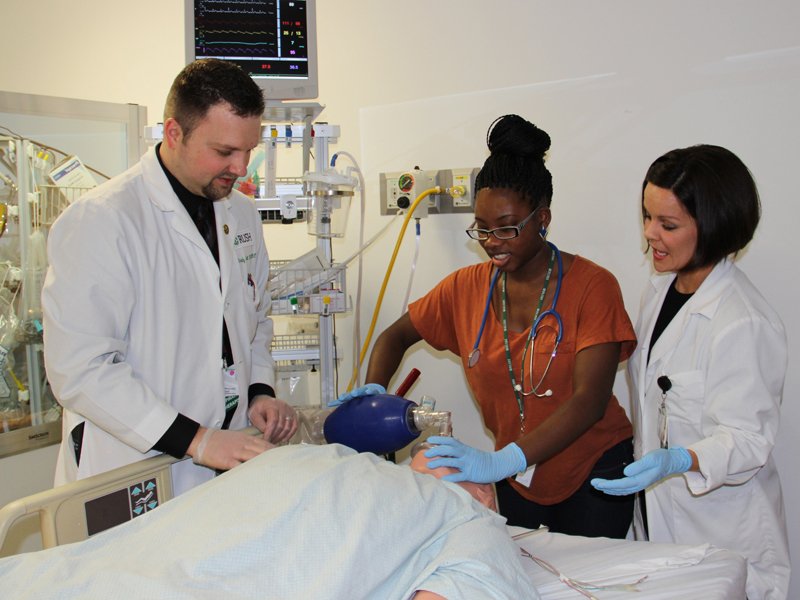
You obtain hands-on experience at one of the nation's top academic medical centers, RUSH University Medical Center. And our low student-to-faculty ratio ensures you will receive individualized attention.
At RUSH, you learn from faculty who are also practitioners who have experience with the most complex patient cases. You will work in interdisciplinary teams featuring faculty, respiratory therapists, physicians and nurses.
Our faculty are also accomplished researchers. Faculty-clinicians at RUSH have contributed essential science in respiratory care and patient care techniques.
Many students who work with our faculty go on to have their own work published.
MS in Respiratory Care Program Length and Location
This is a full-time, on-campus program that takes 24 months and a minimum of 92 credits to complete.
A part-time, advanced standing option is available to students who are registered respiratory therapists (RRT).
MS in Respiratory Care Program Tuition
At RUSH University, we know your education is a big investment. We want to make sure you have all the information to be able to make the best financial decisions for you and your family.
Tuition for the Master of Science (MS) in Respiratory Care program is $781 per credit.

As the excitement of graduation fades away, the reality of making big life decisions looms ahead. For Bethelhem Markos, the best decision-making strategy for moving forward after earning her undergraduate degree: stepping back.
Nearly two years later, she found herself on the road to a meaningful and satisfying career as a student in the RUSH University College of Health Science’s master of science in respiratory care program.
Respiratory Therapy Career Opportunities
There is no shortage of job opportunities in respiratory therapy. Interest in the field has risen since the COVID-19 pandemic.
Employment for respiratory care therapists is expected to rise 14% from 2021 to 2031 (much faster than the average). A master’s in respiratory therapy sets you apart from your colleagues.
The median annual salary for respiratory therapists was $70,540 in 2022, according to the U.S. Bureau of Labor Statistics—but pay varies by region. For example, at RUSH University Medical Center, new graduate respiratory therapists can expect to start with a salary of approximately $79,000 per year. A survey shows that RUSH graduates from 2011-2018 saw a $4,000-$5,000 increase in salary every year after graduation.
Respiratory therapists find rewarding careers in various settings, including the following:
- Hospitals, clinics and physicians’ offices
- Critical care units and transport
- Diagnostic laboratories and sleep centers
- Colleges, universities and research facilities
 College of Health SciencesEmerita ProfessorDepartment of Cardiopulmonary Sciences
 College of Health Sciences
 College of Health Sciences
 College of Health Sciences
 College of Health SciencesAssistant ProfessorDepartment of Cardiopulmonary Sciences
 College of Health Sciences
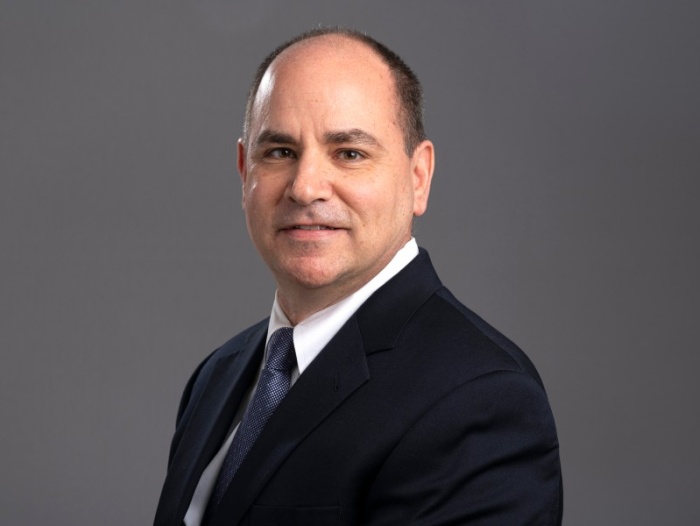 College of Health SciencesAssistant ProfessorDepartment of Cardiopulmonary Sciences
 College of Health SciencesAssistant ProfessorDepartment of Cardiopulmonary Sciences
 College of Health Sciences
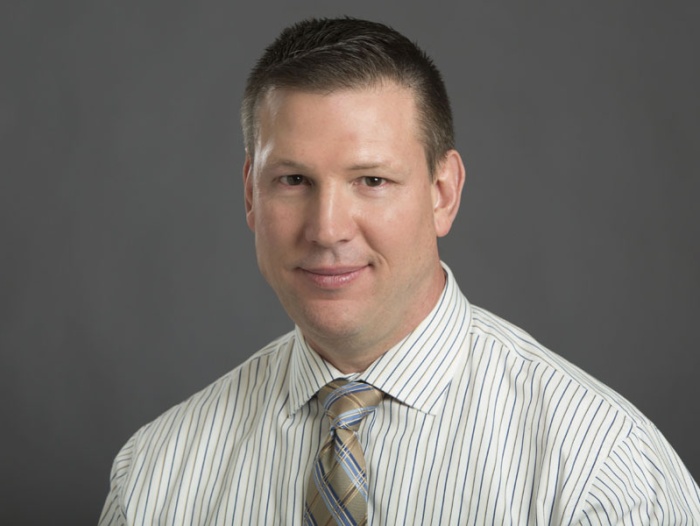 College of Health Sciences
 College of Health SciencesAssistant ProfessorDepartment of Cardiopulmonary Sciences
(312) 563-2353
chs_admissions@rush.edu
Learn about upcoming sessions and events in your field of interest.
Sign up to receive more information about this program.